
Loading...
⚡ 1kg Low MOQ · Factory Direct Glitter & Mica⚡ Source Factory Direct Wholesale · Custom Loose Glitter & Mica Pigments · 1kg Low Trial MOQ · 48h Free 50g Lab Samples
mlmcustom@mlmcosmetic.com⚡ 1kg Low MOQ · Factory Direct Glitter & Mica⚡ Source Factory Direct Wholesale · Custom Loose Glitter & Mica Pigments · 1kg Low Trial MOQ · 48h Free 50g Lab Samples
mlmcustom@mlmcosmetic.comLoading...
Technical guide to sample matching holographic glitter for Italian cosmetic formulation: ICP-MS limits, solvent bleed testing, BOPET specs, and EU SPM compliance.
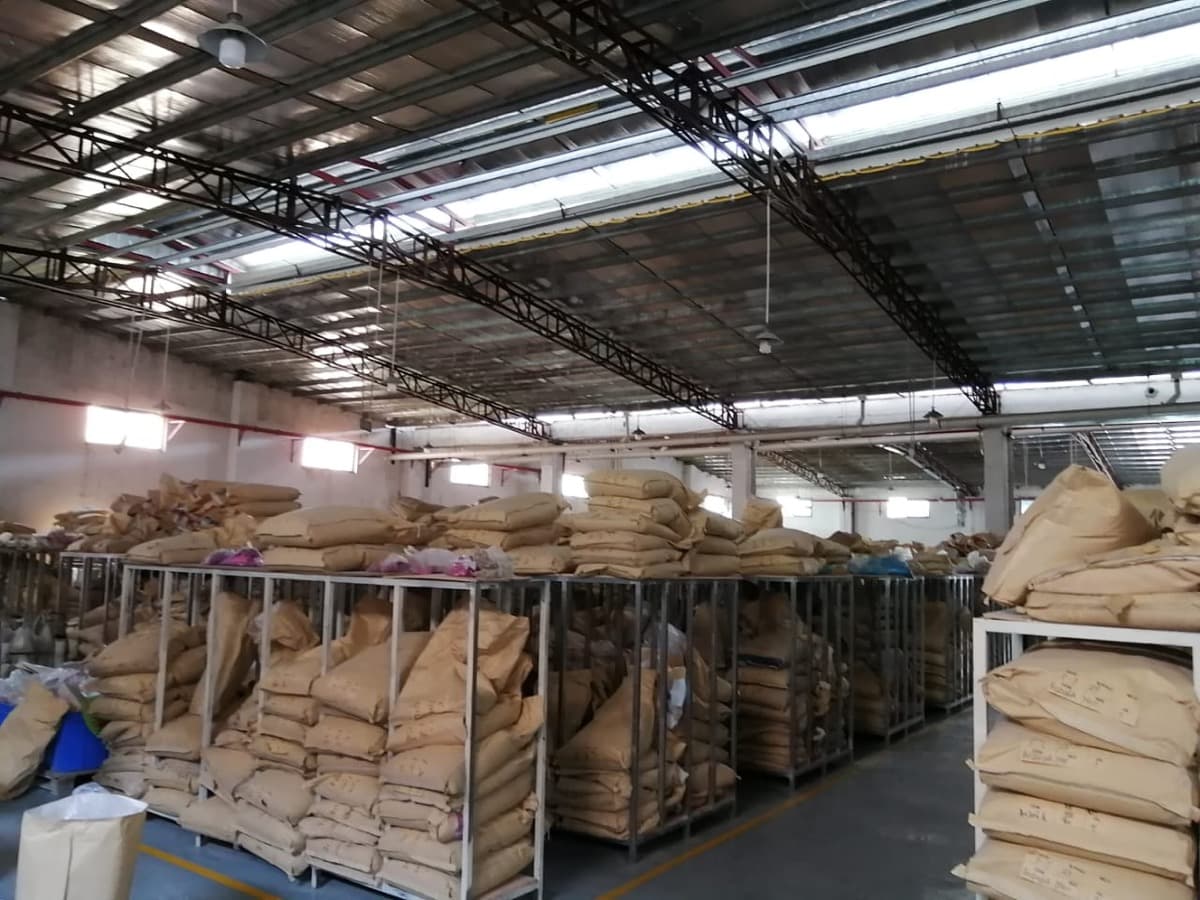
If you are a cosmetic chemist or procurement director trying to replicate a competitor's holographic glitter effect for the Italian (IT) or broader EU color cosmetics market, you already know the pain. The reference swatch looks like a clean, high-chroma rainbow shift. Your trial batch looks like dull confetti floating in a murky suspension. Or worse — your nail lacquer prototype passes visual QC on day one, then by week three the clear vehicle has turned a sickly amber from aluminum ion migration.
This is not a sourcing problem. It is a substrate engineering, coating chemistry, and particle geometry problem — compounded by the fact that EU Regulation 1223/2009 and the Annex XVII Entry 51 (synthetic polymer microparticle restrictions) have eliminated several legacy PET glitter substrates from legal play in leave-on cosmetics sold in Italy and across Europe.
This document is written for formulators, toxicologists, and technical procurement teams who need to execute a precise sample match of holographic glitter for cosmetic end-use in Italy. We will cover the failure modes we see repeatedly in customer qualification trials, the hard analytical numbers your safety assessor will need, and a benchtop protocol you can run before committing to a 25kg bulk order.
Regulatory disclaimer upfront: MLM Pigments (Shenzhen) manufactures and supplies cosmetic-grade raw materials. We provide full batch documentation — Certificate of Analysis (CoA), ICP-MS heavy metal panels, FTIR spectral fingerprints, and particle size distribution (PSD) reports — upon request to support your brand's regulatory filings. Final formulation safety assessment and EU Cosmetic Product Safety Report (CPSR) responsibility rests with the brand owner and their appointed Responsible Person under EU 1223/2009.
Holographic effect in glitter is a physical optics phenomenon, not a dye or pigment color. A vacuum-metallized aluminum layer (typically 40–80nm thickness) is embossed with a diffraction grating — micro-grooves at a pitch of 500 to 1,400 lines per millimeter. When incident light hits this periodic structure, constructive and destructive wave interference splits white light into a full visible spectrum. The rainbow "travel" you see at different viewing angles is governed entirely by grating pitch and groove depth, not by any colorant chemistry.
This means sample matching is fundamentally about matching three things:
BOPET (Biaxially-Oriented Polyethylene Terephthalate)
This is the workhorse. Standard cosmetic holographic glitter uses 12µm to 23µm BOPET film. Biaxial orientation matters — it increases crystallinity to roughly 35–45%, which directly affects tensile strength, chemical resistance, and thermal dimensional stability. A poorly oriented PET film (low crystallinity) will soften and curl at lower temperatures, distorting the diffraction grating and killing the holographic effect during hot-pour processing.
One thing we see routinely in failed sample matches: the customer's reference glitter uses a 23µm high-crystallinity BOPET, and the trial sample they received from another supplier uses a 12µm commodity-grade film. The optical brightness drops because the thinner film flexes under shear during dispersion, micro-cracking the aluminum layer. Under a stereomicroscope at 40x, you can see the fracture lines as dull grey patches on individual particles.
Critical note for Italian/EU market: Standard PET glitter particles below 5mm are classified as synthetic polymer microparticles under ECHA's Annex XVII restriction. The transition timelines are staggered — rinse-off products face earlier deadlines than leave-on — but formulators targeting the IT market should confirm the specific enforcement dates with their Responsible Person. PET-based holographic glitter remains legally usable in certain product categories during the transition period, but the direction of regulation is clear.
Regenerated Cellulose (Modified Cellulose Film)
Plant-derived substrate. Meets the "not a synthetic polymer" exemption under Annex XVII. The film is inherently hydrophilic, which creates a real engineering challenge: in water-based gel formulations, uncoated cellulose film absorbs water, swells, and loses mechanical integrity within hours. Our cellulose-based holographic glitter uses a multi-layer barrier architecture — the cellulose core is sandwiched between cross-linked coating layers that limit moisture vapor transmission to the metallized aluminum.
Honest limitation: cellulose substrates cannot match the spectral brightness of high-crystallinity BOPET. The film surface is slightly rougher at the nanometer scale, which broadens the diffraction peaks and produces a softer, less "laser-sharp" rainbow. For some formulations — body gels, festival cosmetics — this is actually preferred. For high-impact editorial color cosmetics targeting the Italian luxury segment, it may not pass the brand's visual benchmark. We always recommend requesting both PET and cellulose holographic samples in the same cut size so your team can evaluate the optical difference on your actual formula, not on a dry swatch card.
Synthetic Fluorphlogopite (Synthetic Mica)
Not technically "glitter" in the traditional sense — these are interference pigments based on synthetic mica platelets coated with metal oxides (TiO₂, Fe₂O₃, SnO₂). They produce color travel through thin-film interference rather than diffraction gratings. The visual effect is different: a smoother, more pearlescent shift rather than a sharp holographic rainbow. However, synthetic mica is fully exempt from microplastic classification, tolerates processing temperatures above 300°C, and has zero solvent sensitivity.
We include synthetic mica interference pigments in our holographic sample match kits because roughly 30% of the time, the customer's actual formulation goal — "I want rainbow color shift" — can be achieved with an interference pigment rather than a true diffraction-grating glitter. This sidesteps the entire SPM regulatory question.
This is where sample matches fail silently. The glitter looks perfect in the dry pan. It looks perfect dispersed in a room-temperature vehicle. Then it goes through your manufacturing process — a 90°C hot-pour lip balm fill, or a 72-hour soak in a nail lacquer solvent blend — and the holographic layer delaminates, the topcoat softens, or dye from the colored backing migrates into your clear vehicle.
| Substrate | Continuous Use Temp | Peak Short-Term Exposure | Failure Mode at Threshold |
|---|---|---|---|
| BOPET (23µm, high crystallinity) | 160°C | 200°C (< 30 min) | Film shrinkage >2%, grating distortion, aluminum layer micro-cracking |
| BOPET (12µm, standard) | 140°C | 170°C (< 30 min) | Earlier onset of curl and shrinkage; grating pitch shift visible as color drift |
| Regenerated Cellulose | 120°C | 150°C (< 15 min) | Browning/yellowing of cellulose core; barrier coat softening |
| Synthetic Mica | 300°C+ | 800°C+ | Effectively unlimited for cosmetic processing |
For hot-pour anhydrous systems (lip balms, body sticks, wax melts), we specify a minimum 23µm BOPET substrate or synthetic mica. We have seen cellulose holographic glitter survive a careful 80°C pour with rapid cooling, but the margin of safety is thin and batch-to-batch cellulose film variability makes this risky for production scale.
Nail lacquer formulation is the harshest chemical environment for holographic glitter. A typical nail polish vehicle contains 30–50% ethyl acetate and 10–25% butyl acetate, plus nitrocellulose, tosylamide/formaldehyde resin, and various plasticizers. The solvent blend attacks weak topcoats aggressively.
Our standard solvent resistance test protocol:
Our solvent-resistant holographic series uses a dual-cure topcoat system: a UV-cured acrylate base layer cross-linked with an organosilane coupling agent. This creates a dense, chemically inert barrier that resists both ester solvents and aqueous glycol systems (propylene glycol, dipropylene glycol) across pH 3.5 to 10.0.
Glitter from suppliers who use a single-layer thermoplastic acrylic topcoat will typically fail this test within 4–8 hours. The ethyl acetate softens the acrylic, the aluminum layer oxidizes on exposure, and dissolved aluminum ions plus any backing dye leach into the vehicle. If you have ever seen a clear nail lacquer develop a yellow-brown tint after two weeks on the shelf, this is almost certainly the mechanism.
| Formula Type | Recommended Substrate | Cut Size Range | Key Risk | Mitigation |
|---|---|---|---|---|
| Nail Lacquer (solvent-based) | BOPET 23µm, solvent-resistant topcoat | 0.1mm–1.0mm hex | Solvent bleed, dye migration | Dual-cure topcoat; 48hr solvent soak pre-qualification |
| Pressed Powder / Eyeshadow | BOPET 12–23µm or Synthetic Mica | 0.05mm–0.4mm hex | Electrostatic clumping in powder hopper; uneven press distribution | Anti-static treatment; blend with sericite carrier at 3:1 ratio before pressing |
| Hot-Pour Lip Balm / Wax Stick | BOPET 23µm or Synthetic Mica | 0.1mm–0.5mm hex | Thermal grating distortion above 170°C | Monitor pour temp; use synthetic mica above 160°C |
| Water-Based Gel / Body Gel | Regenerated Cellulose or Synthetic Mica | 0.2mm–3.0mm hex | Cellulose swelling; PET sedimentation | Cellulose: verify barrier coat integrity at target pH; PET: rheology modifier (Carbomer, xanthan) to slow Stokes settling |
| Anhydrous Oil Serum | BOPET 12µm | 0.05mm–0.2mm hex | Settling in low-viscosity oils (< 50 cP) | Ultra-thin substrate reduces particle mass; target vehicle viscosity > 200 cP (Brookfield RVT, spindle #3, 20 rpm, 25°C) |
| UV Gel Nail (acrylate cure) | BOPET 23µm, solvent-resistant | 0.1mm–1.0mm hex | HEMA / di-HEMA TMHDC monomer attack on topcoat during cure | Confirm topcoat resistance to acrylate monomers pre-cure; test 24hr soak in uncured gel base |
This is a production-floor headache that rarely appears in lab-scale trials. Holographic glitter particles, especially ultra-fine cuts below 0.1mm, develop significant triboelectric charge during pneumatic transfer and hopper feeding. In dry powder blending for pressed eyeshadows, this causes clumping, bridging in the hopper throat, and uneven distribution in the press cavity.
Practical fix we recommend to customers: pre-blend the glitter with a flow-aid carrier — sericite, calcium aluminum borosilicate, or even a small percentage of silica — at a 3:1 to 5:1 carrier-to-glitter ratio before introducing it to your main powder blend. Some of our customers also install ionizing bars on their hopper feed lines, which helps but does not fully eliminate the issue with very fine holographic cuts.
Every production batch of holographic glitter shipped from our Shenzhen facility is released with the following documentation, available on request:
| Element | MLM Internal Limit | EU 1223/2009 / German BfR Guidance | US FDA (per MoCRA) |
|---|---|---|---|
| Lead (Pb) | < 2 ppm | < 10 ppm (cosmetic product level) | < 10 ppm (color additive, where applicable) |
| Arsenic (As) | < 1 ppm | < 2 ppm | < 3 ppm |
| Mercury (Hg) | < 1 ppm | < 1 ppm | < 1 ppm |
| Cadmium (Cd) | < 1 ppm | < 5 ppm | < 3 ppm |
| Antimony (Sb) | < 5 ppm | Not specifically limited in 1223/2009 for non-colorant substrates | — |
Our internal limits are deliberately tighter than regulatory maxima. We run ICP-MS on acid-digested samples (microwave-assisted HNO₃/HCl digestion) per ISO 17294-2. This is a total-content measurement, not a leachable/extractable measurement. If your toxicologist or safety assessor needs extractable heavy metal data under simulated use conditions (e.g., synthetic sweat, synthetic saliva per EN 71-3 adapted protocol), we can arrange this through our partner testing laboratory — please specify this at the sample request stage so we can plan the turnaround time.
Every batch is scanned on ATR-FTIR (Thermo Nicolet iS50, diamond ATR crystal, 32 scans, 4 cm⁻¹ resolution) and the spectrum is compared against the qualified reference standard. We use a spectral correlation coefficient threshold of ≥ 0.97 for batch release. This catches substrate substitution (e.g., a PET batch contaminated with or substituted by a different polyester), topcoat chemistry changes, and gross contamination.
We archive all FTIR spectra and can provide overlay comparisons between your initial qualification batch and subsequent production lots. This matters for sample matching — if your approved reference was qualified against our Batch A, and six months later you reorder and receive Batch B, the FTIR overlay is your first-line confirmation that the chemistry has not drifted.
Measured by sieve analysis (ASTM E11 standard sieves) for cuts above 0.1mm, and by laser diffraction (Malvern Mastersizer 3000) for ultra-fine cuts below 0.1mm. We report D10, D50, D90, and span. For a precision sample match, PSD span is critical — a wide span means your formulation will behave differently from the reference because the settling rate, light-scattering behavior, and packing density all change with particle size distribution width.
Typical specification for a 0.2mm hexagonal cut: D50 = 200 ± 20µm, span (D90-D10)/D50 < 0.8.
A detail that most glitter spec sheets ignore: the quality of the rotary slitting knives directly affects your formulation performance. Dull or damaged knives produce ragged particle edges with micro-burrs and excess fines (sub-specification particles). These fines cause haze in clear vehicles, accelerate sedimentation of fine dust, and increase the specific surface area exposed to solvent attack.
We monitor slitting knife condition on a preventive maintenance schedule and measure fines content (% below nominal cut size by >50%) as a batch release parameter. If fines exceed 5% by mass, the batch is reworked or downgraded.
Before committing to a production-scale order, run these three tests on your 1kg sample. Total bench time: approximately 72 hours including hold periods.
The ECHA restriction on intentionally added synthetic polymer microparticles (Annex XVII, Entry 51 — often informally referenced alongside Entry 78 discussions on microplastics) has a direct impact on PET-based glitter sold into Italy and the EU. The restriction covers solid synthetic polymer particles below 5mm in any dimension that are not biodegradable or water-soluble.
Practical implications for your sample match project:
MLM Pigments's facility is registered under US FDA MoCRA requirements. For EU market supply, we provide all technical documentation required by your Responsible Person to compile the Product Information File (PIF), including: batch-specific CoA, ICP-MS heavy metal reports, FTIR spectra, PSD data, compositional INCI breakdown, and microbiological testing results (where applicable for aqueous-compatible grades). We do not act as the EU Responsible Person and do not prepare CPSRs — that is your brand's obligation.
All sample match evaluations begin with 1kg vacuum-sealed aluminum foil barrier bags. The barrier film has a moisture vapor transmission rate (MVTR) < 0.5 g/m²/day per ASTM F1249, which prevents moisture ingress that could initiate premature oxidation of the metallized aluminum layer during transit and storage. Each 1kg bag is labeled with batch number, manufacturing date, INCI name, cut size, and substrate type.
We ship 1kg trial quantities via express courier (DHL/FedEx) with typical Shenzhen-to-Italy transit of 5–7 business days. Customs classification for cosmetic-grade glitter entering Italy: verify the correct CN/HS code with your customs broker — misclassification can cause delays at Italian customs.
Production quantities ship in 25kg net-weight UN-rated fibre drums with polyethylene liner bags. Drums are palletized and stretch-wrapped for ocean freight (Shenzhen to Genoa/La Spezia, typical transit 25–30 days) or air freight for urgent orders.
Minimum order quantity for custom holographic effects (specific grating pitch, custom cut geometry, custom color backing) is typically 100kg. Standard catalog items from our holographic range are available from 25kg.
When you contact our technical sales team for a holographic glitter sample match targeting the Italian cosmetic market, provide the following to accelerate the qualification process:
Formulators evaluating compliant alternatives for European regulatory markets can request samples from our Cosmetic Grade Biodegradable Glitter range or our full catalog of Holographic Cosmetic Glitter substrates. Our technical team in Shenzhen responds to sample match inquiries within one working day.
Disclaimer: Technical data and regulatory references provided herein (including EU Regulation 2023/2055, EU Regulation 1223/2009, and US FDA MoCRA) are based on current legislative texts and laboratory test parameters for raw materials manufactured by MLM Pigments. This documentation is intended solely to support independent brand formulators and Responsible Persons in compiling their Cosmetic Product Safety Reports (CPSR) and product filings. Final formulation compliance, toxicological risk assessment, and finished product registration remain the responsibility of the brand owner.
Looking for custom formulation or laboratory testing samples? Contact our MLM Pigments technical engineering team or request a free sample kit directly.
Target Formulation Material:
Holographic Glitter Sample Matching for IT Cosmetic Formulation
Includes 50g sealed lab pouch, lot-specific COA, Technical Data Sheet (TDS), and ISO 22716 regulatory package.
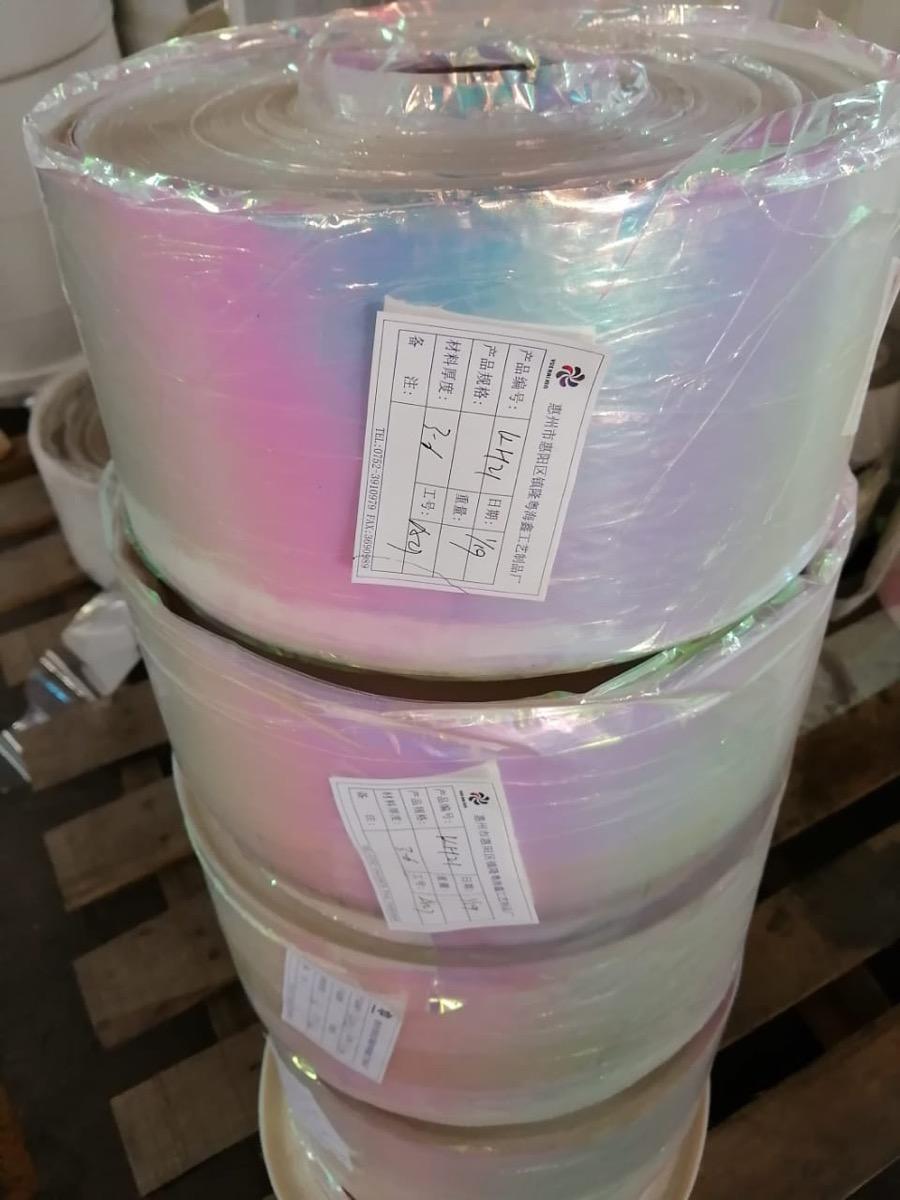
Whether formulating eyeshadow palettes, lip glosses, nail polishes, or compounding industrial epoxy resin, start with our 1kg low trial MOQ or complimentary 50g qualification sample with complete TDS and batch COA.