
Loading...
⚡ 1kg Low MOQ · Factory Direct Glitter & Mica⚡ Source Factory Direct Wholesale · Custom Loose Glitter & Mica Pigments · 1kg Low Trial MOQ · 48h Free 50g Lab Samples
mlmcustom@mlmcosmetic.com⚡ 1kg Low MOQ · Factory Direct Glitter & Mica⚡ Source Factory Direct Wholesale · Custom Loose Glitter & Mica Pigments · 1kg Low Trial MOQ · 48h Free 50g Lab Samples
mlmcustom@mlmcosmetic.comLoading...
Wholesale FDA compliant cosmetic glitter specs, EU microplastic compliance, ICP-MS heavy metal limits & MOQ pricing. B2B guide by MLM Pigments OEM factory.
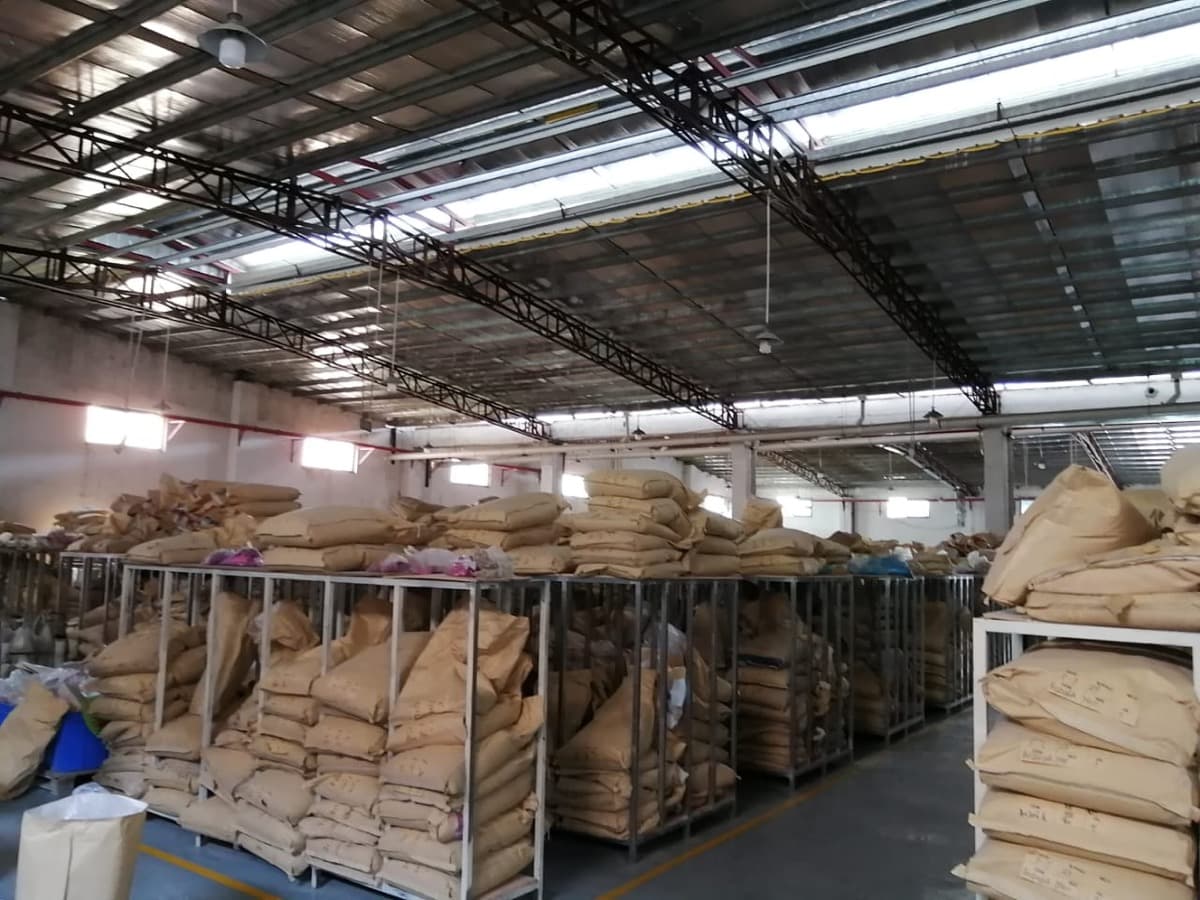
Published by the Technical Directorate, MLM Pigments — OEM Raw Material Factory, Shenzhen, China
For cosmetic brand formulators and procurement managers sourcing decorative effect materials in volume, the phrase "FDA compliant cosmetic glitter wholesale" carries significant technical and legal weight. It is not a marketing descriptor — it is a multi-jurisdictional compliance obligation that intersects US FDA MoCRA ingredient safety substantiation, EU Regulation 1223/2009 Annex XVII microplastic restrictions, and heavy metal contaminant thresholds enforced by ICP-MS analytical testing. Getting this wrong at the raw material stage means reformulation costs, import holds, and brand liability.
At MLM Pigments, we manufacture and supply rigorously characterized decorative glitter substrates to brands across North America, the EU, and Southeast Asia. Whether you are developing a body-safe festival glitter line, a solvent-borne nail lacquer system, or a water-glycol emulsion highlighter, the substrate chemistry, particle geometry, and regulatory documentation stack must be precisely matched to your end-use application. Our Solvent Resistant Standard Glitter product line exemplifies the specification depth required for professional B2B procurement.
This guide provides the technical framework your formulation and regulatory teams need to make informed sourcing decisions.
Regenerated cellulose glitter is produced from plant-derived cellulose film (typically eucalyptus or wood pulp) and is the preferred substrate for brands navigating the EU's REACH Annex XVII microplastic restriction (effective from October 2023 for leave-on cosmetics). Because cellulose is a natural polymer, it falls outside the synthetic polymer particulate definition in the restriction, provided it has not been chemically modified to resist biodegradation.
Key specifications:
PET-substrate glitter remains the industry workhorse for optical brilliance, solvent resistance, and dimensional stability. It is the correct choice for nail lacquer, gel nail, and solvent-borne systems.
Key specifications:
Synthetic fluorphlogopite mica is a mineral-derived, non-polymer substrate with exceptional heat stability and a completely consistent heavy metal profile — unlike natural mica, which carries inherent geological contamination risk.
Key specifications:
Under the Modernization of Cosmetics Regulation Act of 2022 (MoCRA), cosmetic manufacturers and brand owners must substantiate ingredient safety. For decorative glitter, this means:
Note: MLM Pigments supplies ingredient-level compliance documentation. Final cosmetic product safety responsibility rests with the brand/manufacturer as defined under MoCRA.
The EU REACH Annex XVII restriction on intentionally added microplastics (Commission Regulation (EU) 2023/2055) restricts synthetic polymer particles <5 mm in leave-on cosmetics. Key compliance pathways for glitter procurement:
All MLM Pigments grades are supplied with an EU Annex XVII compliance declaration specifying substrate classification and applicable exemption or restriction status.
Every production batch at MLM Pigments is subject to ICP-MS (Inductively Coupled Plasma Mass Spectrometry) analysis for the following elements, with limits aligned to EU Regulation 1223/2009 Annex II and international cosmetic safety guidance:
| Element | MLM Internal Limit | EU/FDA Guideline |
|---|---|---|
| Lead (Pb) | < 1.5 ppm | < 2 ppm |
| Arsenic (As) | < 0.8 ppm | < 1 ppm |
| Mercury (Hg) | < 0.5 ppm | < 1 ppm |
| Cadmium (Cd) | < 0.8 ppm | < 1 ppm |
| Antimony (Sb) | < 1.0 ppm | < 5 ppm |
Test reports are issued per batch lot number and are available for inclusion in your CPSR or MoCRA safety substantiation file.
| Parameter | Cellulose (Biodegradable) | PET Standard | Synthetic Mica |
|---|---|---|---|
| Particle Size Range | 0.05 mm – 2.0 mm | 0.05 mm – 3.0 mm | 0.05 mm – 1.5 mm |
| Particle Size (Imperial) | 1/128" – 1/16" | 1/128" – 1/8" | 1/128" – 1/16" |
| Heat Resistance | Up to 160°C | Up to 200°C | Up to 200°C+ |
| Solvent Resistance (EtOAc/BuOAc) | Low–Moderate | Excellent | Excellent |
| Water/Glycol Emulsion Stability | Excellent | Excellent | Excellent |
| EU Annex XVII Microplastic Status | Exempt (natural polymer) | Restricted (leave-on) | Exempt (non-polymer) |
| ICP-MS Heavy Metal CoA | Per batch | Per batch | Per batch |
| FDA Colorant Compliance | Yes | Yes | Yes |
| MOQ (Development) | 1 kg | 1 kg | 1 kg |
| MOQ (Commercial) | 25 kg | 25 kg | 25 kg |
| Standard Lead Time (Stock) | 7–10 business days | 7–10 business days | 7–10 business days |
| Custom Color/Cut Lead Time | 15–25 business days | 15–25 business days | 20–25 business days |
| Vegan / Carmine-Free Options | Yes | Yes | Yes |
| Biodegradation Data (OECD 301B) | Available | N/A | N/A |
| Refractive Index (Approximate) | 1.47–1.52 | 1.57–1.64 | 1.56–1.70 |
Many procurement teams sourcing FDA compliant cosmetic glitter wholesale encounter three recurring technical blind spots that create downstream formulation failures and regulatory exposure. Understanding these gaps is essential before issuing an RFQ.
Glitter particles with a specific gravity significantly higher than the continuous phase of an emulsion or gel will settle during shelf life, producing an unacceptable appearance. PET glitter has a specific gravity of approximately 1.38 g/cm³; cellulose glitter is closer to 1.27 g/cm³. Suppliers who do not disclose specific gravity data leave formulators unable to calculate suspension stability without empirical testing.
MLM Pigments approach: All product data sheets include specific gravity, particle size distribution (D10/D50/D90 by laser diffraction), and recommended suspension aid systems (e.g., carbomer/acrylates copolymer networks for aqueous systems; organoclay for anhydrous systems).
In nail lacquer systems (ethyl acetate/butyl acetate/nitrocellulose matrices), poorly encapsulated colorant coatings on glitter substrates will bleed into the solvent phase, causing lacquer discoloration and regulatory issues if the migrated colorant is not listed for the application. This is a common failure mode with low-cost commodity glitter from non-specialist suppliers.
MLM Pigments approach: All PET grades destined for nail lacquer use undergo a 72-hour solvent immersion test in a 50:50 ethyl acetate/butyl acetate blend at 40°C. CoA includes solvent bleeding assessment (pass/fail with spectrophotometric ΔE measurement). Only grades with ΔE < 1.0 are released for nail lacquer application.
The single most commercially dangerous gap in current glitter procurement is the failure to distinguish substrate types at the RFQ stage. Brands that have built product lines on PET glitter for leave-on applications — body lotions, face highlighters, body butters — without a biodegradable transition strategy are now facing EU market access risk. Equally, some suppliers are marketing cellulose glitter as "microplastic-free" without providing the OECD 301B biodegradation data required to substantiate the exemption claim in a CPSR dossier.
MLM Pigments approach: Every quotation for cellulose-substrate glitter includes the OECD 301B test report as a standard deliverable, not an optional add-on. We also provide a substrate transition mapping service for brands reformulating from PET to cellulose, including optical performance benchmarking data.
Q1: What is the difference between "cosmetic grade" and "reviewed for US FDA color additive compliance" glitter?
The FDA does not issue blanket "approval" for cosmetic glitter as a category. Compliance is established ingredient-by-ingredient: colorants must be listed under 21 CFR Parts 73, 74, or 82 for the intended cosmetic use; substrate materials must be assessed for safety under MoCRA guidelines. "Cosmetic grade" is a supplier descriptor indicating the material has been manufactured and tested to standards appropriate for cosmetic use, with relevant documentation. Always request ICP-MS heavy metal reports and colorant compliance declarations — not just a "cosmetic grade" label.
Q2: Is biodegradable glitter exempt from the EU microplastic restriction?
Regenerated cellulose glitter is generally considered exempt from the EU REACH Annex XVII microplastic restriction because cellulose is a natural polymer, not a synthetic polymer as defined in the regulation. However, the exemption is not automatic — your CPSR dossier must include biodegradation test data (OECD 301B or equivalent) demonstrating that the cellulose has not been chemically modified to resist biodegradation. MLM Pigments supplies this data as a standard deliverable with all cellulose-grade orders.
Q3: Can cosmetic glitter be used in eye-area products?
This depends entirely on the colorants used in the glitter's surface coating and the substrate's ocular safety profile. Not all FDA-listed colorants are approved for eye-area use. For eye-area applications (eyeshadow, eyeliner, mascara), you must verify that every colorant component is specifically listed for eye use under 21 CFR Part 74 Subpart C or equivalent EU Annex IV provisions. MLM Pigments can supply eye-area compliant grades with the relevant colorant declarations. Confirm your intended application at the RFQ stage.
Q4: What is the minimum order quantity for custom color glitter, and what lead time should I plan for?
For custom color or custom cut glitter, the development MOQ is 1 kg (suitable for formulation trials and stability testing). Commercial production MOQ is 25 kg per SKU. Standard lead time for custom development is 15–25 business days from approval of the color target and signed purchase order. We recommend building a 30-day procurement buffer for initial product launches to accommodate any color matching iterations.
Q5: How do I verify that a glitter supplier's heavy metal test data is batch-specific and not a generic certificate?
Request the ICP-MS report with the specific batch/lot number that matches your shipment's CoA. Legitimate batch-specific reports will include the instrument ID, analyst signature, test date, and sample ID traceable to the production batch. Generic or undated certificates are a red flag. At MLM Pigments, every shipment is accompanied by a batch-specific ICP-MS report from our accredited third-party laboratory, with full traceability documentation.
Sourcing FDA compliant cosmetic glitter wholesale is not a commodity procurement decision — it is a technical and regulatory exercise that directly determines your product's market access, safety substantiation integrity, and formulation performance. The substrate choice (cellulose, PET, or synthetic mica), particle size specification, solvent resistance profile, and accompanying regulatory documentation package must be precisely aligned to your end-use application and target markets.
MLM Pigments's technical team works directly with brand formulators and regulatory affairs managers to match material specifications to application requirements, provide batch-specific analytical documentation, and support CPSR and MoCRA compliance dossiers. For brands building EU-market product lines, our Cosmetic Grade Biodegradable Glitter range provides the OECD 301B-substantiated, cellulose-substrate solution with the optical performance your creative briefs demand.
We invite qualified brand manufacturers and procurement teams to request a technical sample kit or schedule a formulation consultation with our applications chemistry team.
Technical & Commercial Enquiries:
When contacting us, please specify:
Sample kits (1 kg development quantities across substrate types) are available to qualified brand manufacturers upon completion of our standard NDA and brand qualification form.
This document is provided for B2B technical reference purposes. All regulatory compliance obligations for finished cosmetic products rest with the brand manufacturer or responsible person as defined under applicable jurisdiction regulations. Specifications are subject to change; request current CoA and technical data sheets at time of order.
Disclaimer: Technical data and regulatory references provided herein (including EU Regulation 2023/2055, EU Regulation 1223/2009, and US FDA MoCRA) are based on current legislative texts and laboratory test parameters for raw materials manufactured by MLM Pigments. This documentation is intended solely to support independent brand formulators and Responsible Persons in compiling their Cosmetic Product Safety Reports (CPSR) and product filings. Final formulation compliance, toxicological risk assessment, and finished product registration remain the responsibility of the brand owner.
Looking for custom formulation or laboratory testing samples? Contact our MLM Pigments technical engineering team or request a free sample kit directly.
Target Formulation Material:
FDA Compliant Cosmetic Glitter Wholesale: B2B Technical Guide
Includes 50g sealed lab pouch, lot-specific COA, Technical Data Sheet (TDS), and ISO 22716 regulatory package.
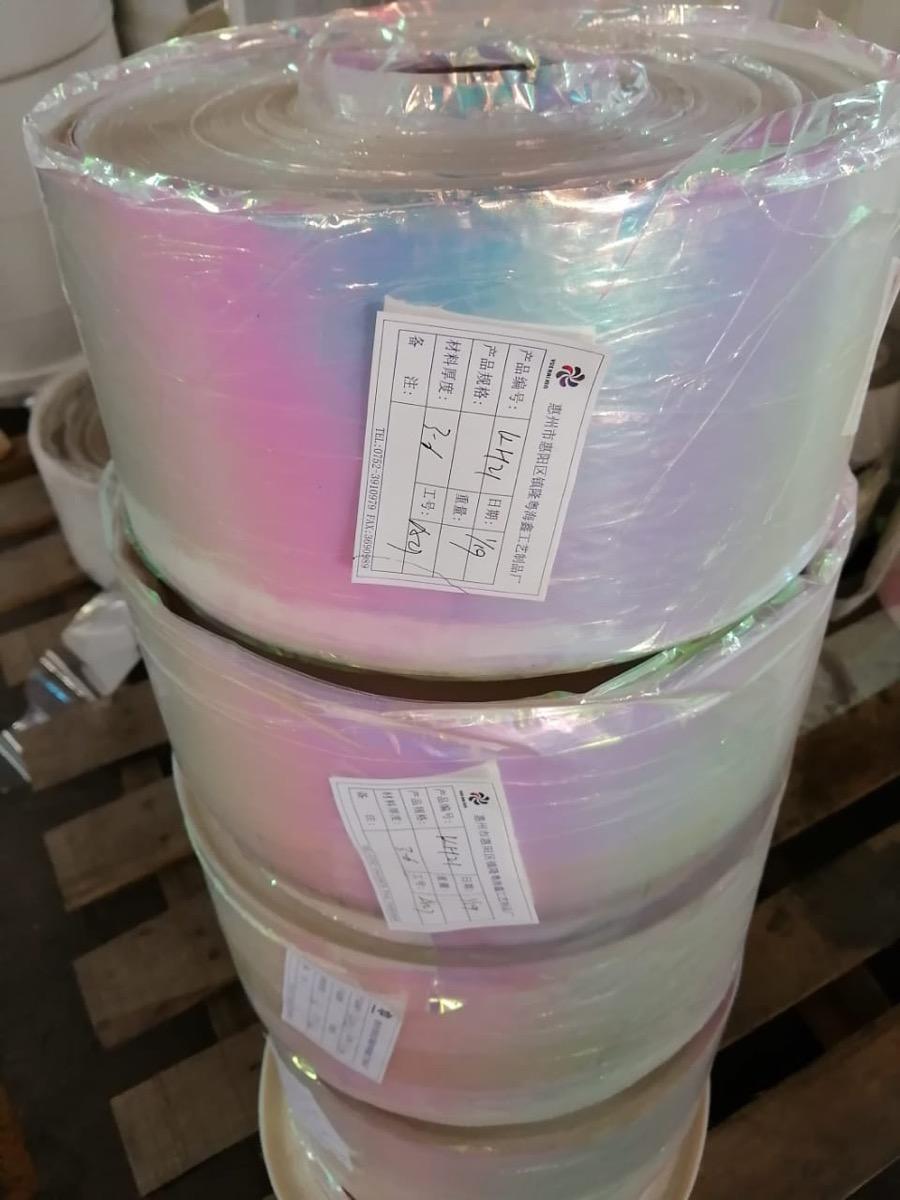
Whether formulating eyeshadow palettes, lip glosses, nail polishes, or compounding industrial epoxy resin, start with our 1kg low trial MOQ or complimentary 50g qualification sample with complete TDS and batch COA.