
Loading...
⚡ 1kg Low MOQ · Factory Direct Glitter & Mica⚡ Source Factory Direct Wholesale · Custom Loose Glitter & Mica Pigments · 1kg Low Trial MOQ · 48h Free 50g Lab Samples
mlmcustom@mlmcosmetic.com⚡ 1kg Low MOQ · Factory Direct Glitter & Mica⚡ Source Factory Direct Wholesale · Custom Loose Glitter & Mica Pigments · 1kg Low Trial MOQ · 48h Free 50g Lab Samples
mlmcustom@mlmcosmetic.comLoading...
Technical guide for matching craft glitter samples to cosmetic-grade specs. SKU-specific CoA, ICP-MS, FTIR docs, solvent bleed data, and EU/FDA compliance.
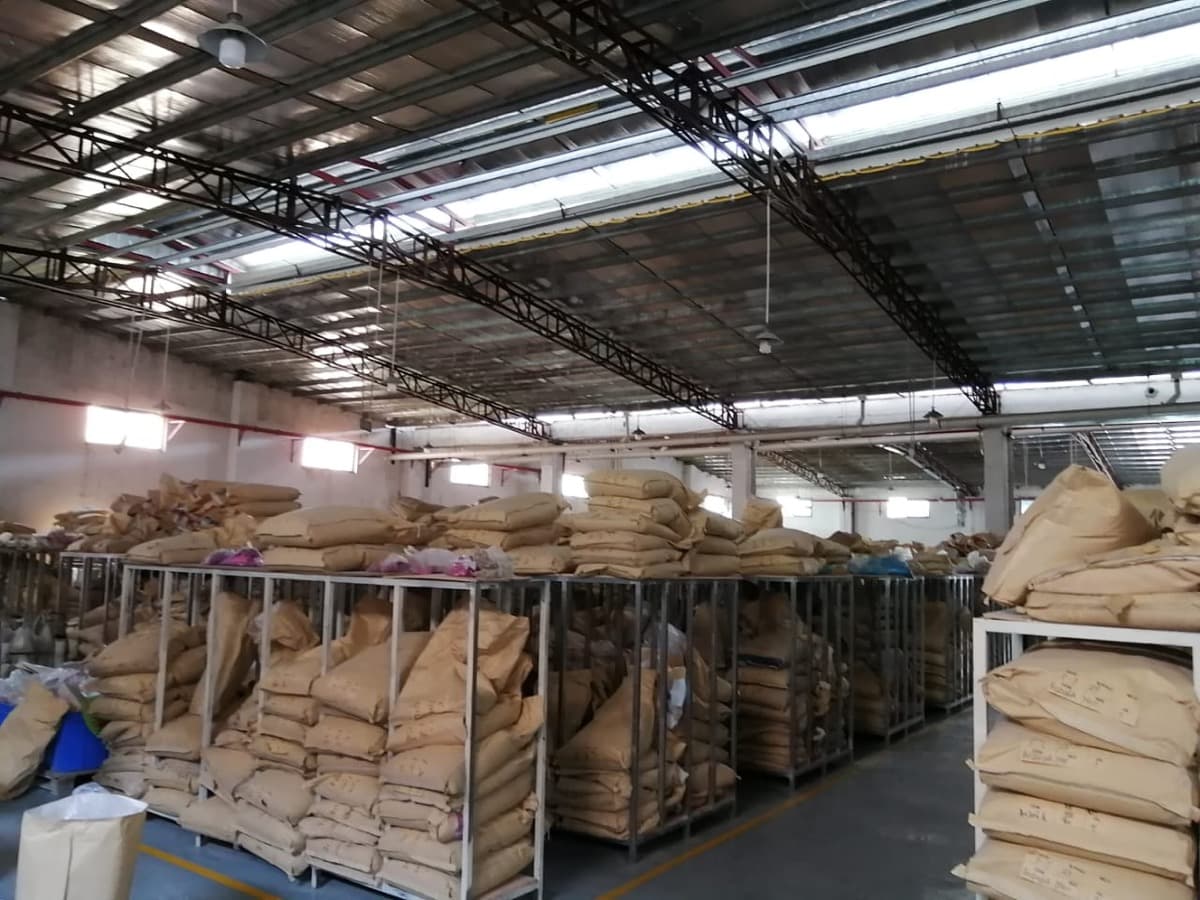
Here is a scenario every contract formulator has lived through at least once. A brand client sends you a ziplock bag of glitter taped to a mood board. They want it in a gel eyeshadow. They want it in a nail lacquer. They found it on Etsy, or at a craft supply house, or peeled it off a greetings card their creative director liked. They want you to "match it."
You hold it up to the light. The flake geometry looks like a standard 1/64" hex. The color is a holographic silver with a slight pink shift. You could probably match the optical profile in forty-eight hours. But the moment you drop that sample into a 70:30 butyl acetate / ethyl acetate nail lacquer vehicle for a quick bench bleed test, the solvent turns pink within ninety minutes. The aluminum metallization layer delaminates. Under 40× magnification, the cut edges look like torn sheet metal — burrs from a dull rotary slitting knife, not a precision die.
That sample is craft-grade poly-glitter. It has no Certificate of Analysis. No ICP-MS heavy metal panel. No FTIR substrate confirmation. No SDS. If you scale it, you will fail EU notification, you will fail Sephora's restricted substance screening, and depending on the substrate, you may be putting a PVC-based particle with undisclosed phthalate plasticizers onto someone's eyelid.
This guide is written for the formulation chemist, the toxicologist reviewing the safety dossier, and the procurement director who needs to know exactly which documents to demand — by SKU, by lot — before any glitter raw material enters a cosmetic batch.
When a brand says "match this glitter," they mean the visual output. What you actually need to match — and then upgrade — is the substrate stack. Every cosmetic glitter particle is a thin-film multilayer structure. Understanding the stack determines your solvent resistance, thermal ceiling, density (and therefore suspension behavior), and regulatory pathway.
1. Cosmetic-Grade BOPET (Biaxially-Oriented Polyethylene Terephthalate)
This is the workhorse. The biaxial orientation matters because it controls crystallinity — and crystallinity controls whether the film survives hot-pour. A properly oriented PET film with ≥ 45% crystallinity (measured via DSC, heating rate 10°C/min) holds structural integrity to approximately 200°C. Below 40% crystallinity, you start seeing film distortion above 150°C, which means your lip balm pour at 165°C will warp the flake and kill the optical effect.
The metallization layer is vacuum-deposited aluminum, typically 30–60 nm. The color coat is a cross-linked polyurethane or acrylic matrix loaded with cosmetic-approved pigments (CI numbers verified against EU Annex IV / US FDA 21 CFR Parts 73, 74, 82). The cross-linking density is what determines solvent resistance. Craft glitters skip this step or use a thermoplastic (non-cross-linked) binder because it is cheaper. That is why they bleed.
PET glitter remains subject to EU REACH Annex XVII Entry 78 (the microplastics restriction). As of the current transition timeline, leave-on cosmetic products containing synthetic polymer microparticles < 5 mm face a phase-out, with specific transition periods depending on product category. Rinse-off products have a different deadline. If your brand sells into the EU, you need to track this actively.
2. Regenerated Plant Cellulose (Biodegradable Glitter)
Derived from eucalyptus or sustainably managed softwood pulp via a modified lyocell-type process. The cellulose film is coated with a thin aluminum layer and a cosmetic-grade color coat identical in chemistry to the PET version.
The biodegradable claim is substantiated via modified OECD 301B / ISO 14851 freshwater biodegradation testing — look for ≥ 60% biodegradation within 28 days in the CoA appendix. If a supplier cannot produce this test data for the specific SKU you are sampling, the claim is marketing, not science.
Thermal ceiling is lower: 160°C–180°C depending on film thickness and moisture content. For anhydrous hot-pour sticks (lip balm, solid perfume), you need to confirm your pour temperature sits below the substrate's onset-of-degradation point. We routinely see formulators attempt a 170°C pour with a cellulose glitter rated to 160°C and end up with curled, discolored flakes. Test your actual pour temperature with a calibrated thermocouple in the melt, not the kettle setpoint — those can diverge by 8–12°C.
Cellulose-based glitters are exempt from the EU microplastics restriction because the polymer is natural-origin and biodegradable per the regulation's criteria. This is the primary reason demand has shifted hard toward this substrate for EU-market brands.
For sourcing verified cellulose-based options, see MLM Pigments Biodegradable Glitter range.
3. Synthetic Fluorphlogopite (Synthetic Mica)
Inorganic substrate. Zero microplastic concerns globally — it is a silicate mineral, not a polymer. Delivers interference-based color (think duo-chrome, color-shift effects) rather than pigment-loaded color. Heavy metal profile is inherently ultra-low because the substrate is synthesized from high-purity precursors rather than mined.
The trade-off: particle rigidity is higher, so synthetic mica flakes do not conform to skin texture the way a flexible PET or cellulose film does. In pressed powder formulations this is fine. In a fluid gel or cream, the flakes can feel "scratchy" if particle size exceeds approximately 200 µm without adequate binder. Also, synthetic mica is denser (~2.8 g/cm³ vs ~1.4 g/cm³ for PET), so suspension in low-viscosity vehicles requires more aggressive rheology modification.
Two failure modes destroy more glitter formulations than anything else: thermal degradation during processing and solvent bleed during shelf life.
Request the supplier's TGA (thermogravimetric analysis) curve or, at minimum, a stated onset-of-degradation temperature with the test method cited. "Heat resistant" without a number is meaningless.
| Substrate | Practical Processing Ceiling | Failure Mode Above Ceiling |
|---|---|---|
| Cosmetic BOPET (PET) | 180°C – 200°C | Film shrinkage, metallization cracking, haze increase |
| Regenerated Cellulose | 160°C – 180°C | Yellowing, curl, moisture-driven blistering |
| Synthetic Fluorphlogopite | > 800°C | Effectively unlimited for cosmetic processing |
| Craft-Grade PET/PVC | < 90°C – 120°C | Severe distortion, plasticizer migration, off-gassing |
The standard bench test we run and recommend to every customer: immerse 0.5 g of glitter in 10 mL of the target solvent system in a sealed glass vial. Hold at 40°C for 14 days. Evaluate the supernatant visually against a white background and spectrophotometrically (UV-Vis at the pigment's λmax). Any detectable color in the supernatant is a fail.
Solvents to test against, depending on your formulation vehicle:
Craft glitters fail the butyl acetate test within hours. Cross-linked cosmetic-grade coatings from qualified suppliers pass 14 days with zero detectable migration.
| Formulation Type | Recommended Substrate | Max Process Temp | Solvent System | Suspension Strategy | Known Failure Mode if Wrong Substrate Used |
|---|---|---|---|---|---|
| Nail Lacquer (Solvent-Based) | Cosmetic PET | 25°C (ambient mix) | BuOAc / EtOAc | Thixotropic clay (Stearalkonium Hectorite) | Dye bleed, base discoloration, flake delamination |
| Gel Eyeshadow (W/O Emulsion) | Cellulose or PET | 70°C – 80°C | Water / Glycol / Cyclopentasiloxane | Carbomer 940 or Hydroxyethylcellulose network | Settling, clumping, dye migration into aqueous phase |
| Hot-Pour Lip Balm | PET (preferred) or Cellulose (≤160°C pour only) | 160°C – 185°C | Anhydrous wax / oil | Mechanical dispersion at pour | Cellulose curl if pour temp exceeds rating; craft PET melts |
| Pressed Powder Compact | Synthetic Mica or PET | Ambient (press at RT) | Dry system + binder spray | N/A (dry press) | Electrostatic clumping in powder hopper — ground the hopper and add 0.3% fumed silica as flow aid |
| Body Lotion (O/W Emulsion, Rinse-Off) | Cellulose (EU compliance) | 70°C – 75°C | Water / Emulsifier / Glycerin | Xanthan gum + Carbomer co-thickener | PET triggers EU microplastic restriction for rinse-off; craft glitter heavy metals exceed limits |
| Bath Bomb / Soak | Cellulose only | Ambient (dry blend) | Water (on use) | N/A | Any non-biodegradable substrate = microplastic discharge to wastewater |
This is the operational core of this guide. When you request a sample match from any glitter supplier — including us — you should be asking for these documents tied to the specific SKU and manufacturing lot you are evaluating. Not a generic datasheet. Not a PDF from three years ago. Current, lot-specific documents.
Certificate of Analysis (CoA) — Lot-Specific
ICP-MS Heavy Metal Panel — Lot-Specific
FTIR Substrate Confirmation
Safety Data Sheet (SDS) — GHS Compliant, Current Revision
Solvent Resistance Test Report
Microplastic Classification Statement
ASTM D1003 Haze Measurement (where applicable)
MLM Pigments supplies cosmetic raw materials and provides batch-specific test documentation (CoA, ICP-MS reports, FTIR spectra, SDS) upon request to support our customers' regulatory filings and safety assessments. We hold current facility registration under US FDA MoCRA requirements. However, finished formulation safety assessment, product notification (e.g., CPNP submission in the EU), and regulatory compliance of the final marketed product remain the responsibility of the brand owner and their designated Qualified Person / Safety Assessor. We will give you every piece of raw material data you need. The formulation-level safety conclusion is yours to make.
Before you commit to a production run with any new glitter SKU — even one from a supplier you trust — run these three tests. They take less than a week and have saved us (and our customers) from expensive batch failures more times than I can count.
All standard MLM Pigments glitter SKUs are available in 1 kg minimum order for bench trials and pilot batches. Packaging: vacuum-sealed aluminum foil barrier bags with moisture vapor transmission rate (MVTR) < 0.5 g/m²/day, ensuring the substrate does not absorb ambient humidity during transit or storage — particularly relevant for cellulose-based glitters, which are hygroscopic above 60% RH and will clump if exposed to moisture.
Each 1 kg trial unit ships with lot-specific CoA and ICP-MS report. FTIR spectra available on request.
Bulk orders ship in 25 kg UN-rated fibre drums with polyethylene liner, suitable for international freight and warehouse storage. Custom particle sizes, custom color matching (Pantone reference or physical sample), and custom blends (multi-size, multi-color) are available at 25 kg MOQ with 15–20 working day lead time for production.
Send us the physical reference sample (even if it is craft-grade — we need to see what you are trying to match optically), your target formulation type, your target markets (EU, US, both, other), and your processing temperature range. We will identify the closest cosmetic-grade SKU, send a 100 g evaluation sample with full documentation, and flag any regulatory constraints before you invest in formulation development.
Browse available stock SKUs across all substrate types at mlmpigments.com.
On electrostatic clumping in dry powder systems: PET and cellulose glitter particles build triboelectric charge during pneumatic transfer and hopper feeding. This causes clumping, bridging in hoppers, and uneven distribution in pressed powders. Two practical fixes: (1) ground all metal contact surfaces in your powder line, and (2) pre-blend the glitter with 0.2–0.5% hydrophobic fumed silica (e.g., Aerosil R972) as a flow aid and charge dissipator before adding to the main powder blend.
On rotary slitting quality: The cut edge of a glitter particle matters more than most formulators realize. A sharp, clean hex cut from a well-maintained rotary die produces a smooth edge that reflects light uniformly and does not irritate skin. A dull blade produces micro-burrs — jagged polymer shards at the flake perimeter that feel rough on application and can cause micro-abrasions on sensitive facial skin. When evaluating a new supplier's sample, always examine cut edge quality under magnification (40× minimum). If you see frayed or torn edges, the supplier's tooling is worn and the product is not suitable for facial cosmetics. This is a quality control indicator that no CoA will tell you — you have to look.
On Brookfield viscosity impact: Adding glitter at > 3% w/w to a gel or cream will measurably affect your Brookfield viscosity reading because the rigid particles interfere with spindle rotation. This is a measurement artifact, not a real viscosity change in the continuous phase. If you need accurate rheology data on the vehicle itself, measure before glitter addition. If you need application-relevant data (how the finished product behaves during dispensing and spreading), measure with glitter included but note the spindle/RPM/temperature and acknowledge the particulate interference in your lab notebook.
On the EU microplastic timeline: The transition periods under REACH Annex XVII Entry 78 are staggered by product category and are subject to ongoing regulatory updates. Do not rely on a supplier's verbal assurance that a PET glitter is "still allowed." Request the supplier's written classification statement for the specific SKU, cross-reference it against the current published regulation text, and confirm with your EU Responsible Person. The safest path for new product development targeting the EU market is to formulate with cellulose-based or synthetic mica substrates from the outset.
MLM Pigments is an OEM cosmetic raw material manufacturer based in Shenzhen, China, supplying cosmetic-grade glitter, pigments, and effect materials to brand owners and contract manufacturers worldwide. Facility registered under US FDA MoCRA. Batch-specific CoA, ICP-MS, FTIR, and SDS documentation provided upon request. Contact technical sales via mlmpigments.com.
Disclaimer: Technical data and regulatory references provided herein (including EU Regulation 2023/2055, EU Regulation 1223/2009, and US FDA MoCRA) are based on current legislative texts and laboratory test parameters for raw materials manufactured by MLM Pigments. This documentation is intended solely to support independent brand formulators and Responsible Persons in compiling their Cosmetic Product Safety Reports (CPSR) and product filings. Final formulation compliance, toxicological risk assessment, and finished product registration remain the responsibility of the brand owner.
Looking for custom formulation or laboratory testing samples? Contact our MLM Pigments technical engineering team or request a free sample kit directly.
Target Formulation Material:
Craft Glitter Sample Match: SKU Compliance Specification Guide
Includes 50g sealed lab pouch, lot-specific COA, Technical Data Sheet (TDS), and ISO 22716 regulatory package.
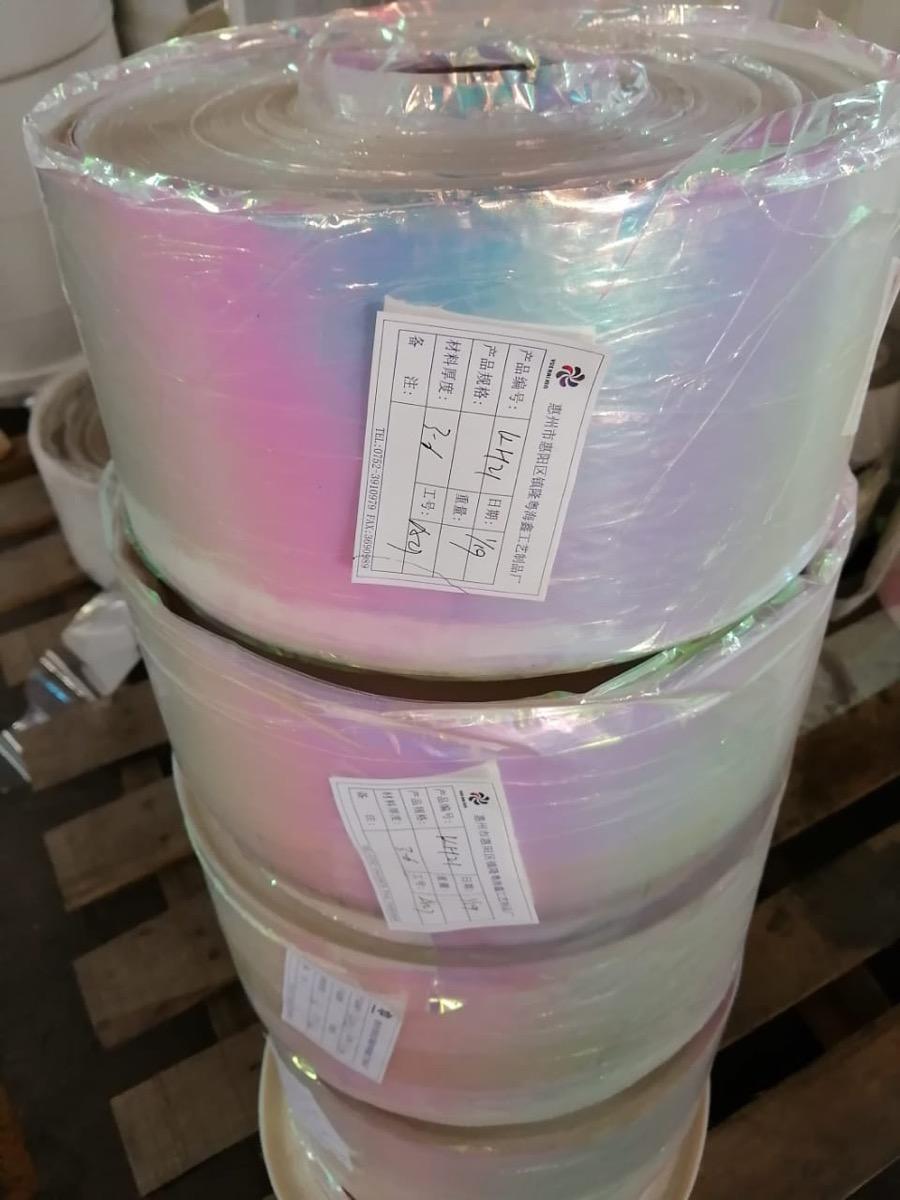
Whether formulating eyeshadow palettes, lip glosses, nail polishes, or compounding industrial epoxy resin, start with our 1kg low trial MOQ or complimentary 50g qualification sample with complete TDS and batch COA.