
Loading...
⚡ 1kg Low MOQ · Factory Direct Glitter & Mica⚡ Source Factory Direct Wholesale · Custom Loose Glitter & Mica Pigments · 1kg Low Trial MOQ · 48h Free 50g Lab Samples
mlmcustom@mlmcosmetic.com⚡ 1kg Low MOQ · Factory Direct Glitter & Mica⚡ Source Factory Direct Wholesale · Custom Loose Glitter & Mica Pigments · 1kg Low Trial MOQ · 48h Free 50g Lab Samples
mlmcustom@mlmcosmetic.comLoading...
Navigating CPNP notification for cosmetic OEMs. Understand material composition, regulatory frameworks (EU 1223/2009, MoCRA), and technical evaluation. Essential for B2B procurement.
As the Lead Technical Director at MLM Pigments, we understand the intricate landscape of global cosmetic regulation and the technical demands placed upon Original Equipment Manufacturers (OEMs). This guide is designed to provide an in-depth, authoritative overview of the critical considerations for CPNP notification and general OEM requirements, focusing on material science, regulatory compliance, and practical evaluation.
The Cosmetic Products Notification Portal (CPNP) is a mandatory online notification system for all cosmetic products placed on the European Union (EU) market. For OEMs, navigating CPNP is pivotal to ensure seamless product launch and compliance within the EU. The Responsible Person (RP), often the brand owner or an appointed entity within the EU, holds ultimate accountability, but OEMs play a crucial role by providing the necessary technical data and material specifications.
OEM responsibilities often include meticulous documentation of raw materials, manufacturing processes, and quality control. This data forms a fundamental part of the Product Information File (PIF), which is essential for CPNP submission and regulatory scrutiny.
Selecting appropriate cosmetic components is not merely about aesthetic appeal; it is a critical technical decision impacting product performance, regulatory standing, and consumer interaction. MLM Pigments specializes in effect pigments, cellulose-based glitter, and PET sequins, each with distinct material characteristics.
The material composition of cosmetic colorants and effect particles is diverse:
Particle size is a critical technical specification, particularly for glitter and special effect pigments, influencing visual effect, tactile sensation, and application suitability. Our materials are precision-engineered with particle sizes typically ranging from 0.05mm to 3.0mm. This range allows for versatility across various cosmetic applications, from fine, subtle shimmers to bold, dramatic accents.
The morphology (shape) of the particles (e.g., hexagonal, rectangular, irregular) also impacts light reflection, dispersion, and skin feel.
The stability of cosmetic raw materials under varying conditions is crucial for product integrity and longevity. Our pigments and glitters are designed with specific stability profiles:
Navigating the global regulatory landscape requires a nuanced understanding of market-specific requirements. OEMs must proactively address these frameworks during material procurement and product development.
Regulation (EC) No 1223/2009 is the cornerstone of cosmetic product safety in the EU. For OEMs, key aspects include:
The Modernization of Cosmetics Regulation Act of 2022 (MoCRA) significantly updates the US regulatory framework for cosmetics. While the FDA does not
Target Formulation Material:
CPNP Notification & Cosmetic OEM Requirements: A Technical Guide
Includes 50g sealed lab pouch, lot-specific COA, Technical Data Sheet (TDS), and ISO 22716 regulatory package.
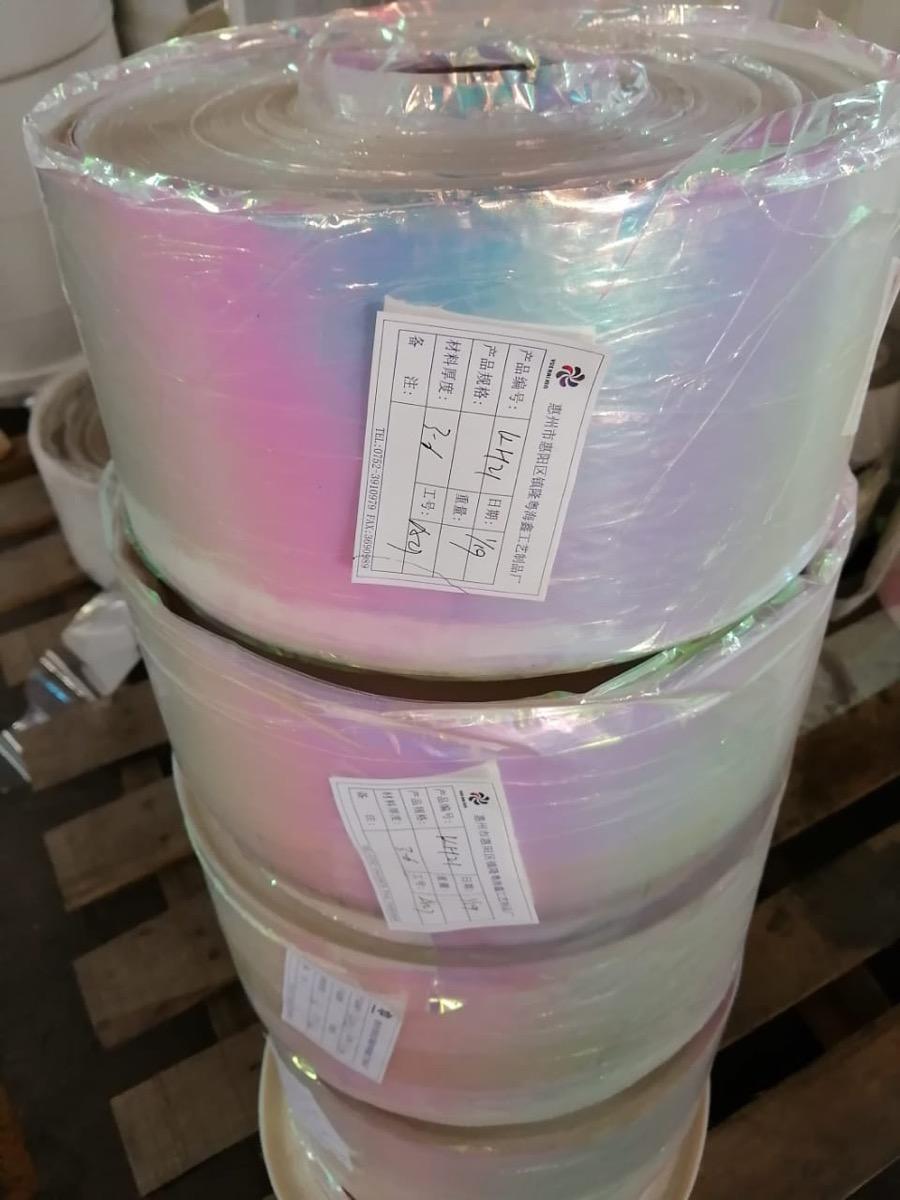
Whether formulating eyeshadow palettes, lip glosses, nail polishes, or compounding industrial epoxy resin, start with our 1kg low trial MOQ or complimentary 50g qualification sample with complete TDS and batch COA.