
Loading...
⚡ 1kg Low MOQ · Factory Direct Glitter & Mica⚡ Source Factory Direct Wholesale · Custom Loose Glitter & Mica Pigments · 1kg Low Trial MOQ · 48h Free 50g Lab Samples
mlmcustom@mlmcosmetic.com⚡ 1kg Low MOQ · Factory Direct Glitter & Mica⚡ Source Factory Direct Wholesale · Custom Loose Glitter & Mica Pigments · 1kg Low Trial MOQ · 48h Free 50g Lab Samples
mlmcustom@mlmcosmetic.comLoading...
Side-by-side B2B engineering comparison of cosmetic-grade vs. industrial craft glitter and mica: substrates, precision cutting, ICP-MS heavy metal limits, solvent bleed, and EU/US rules.
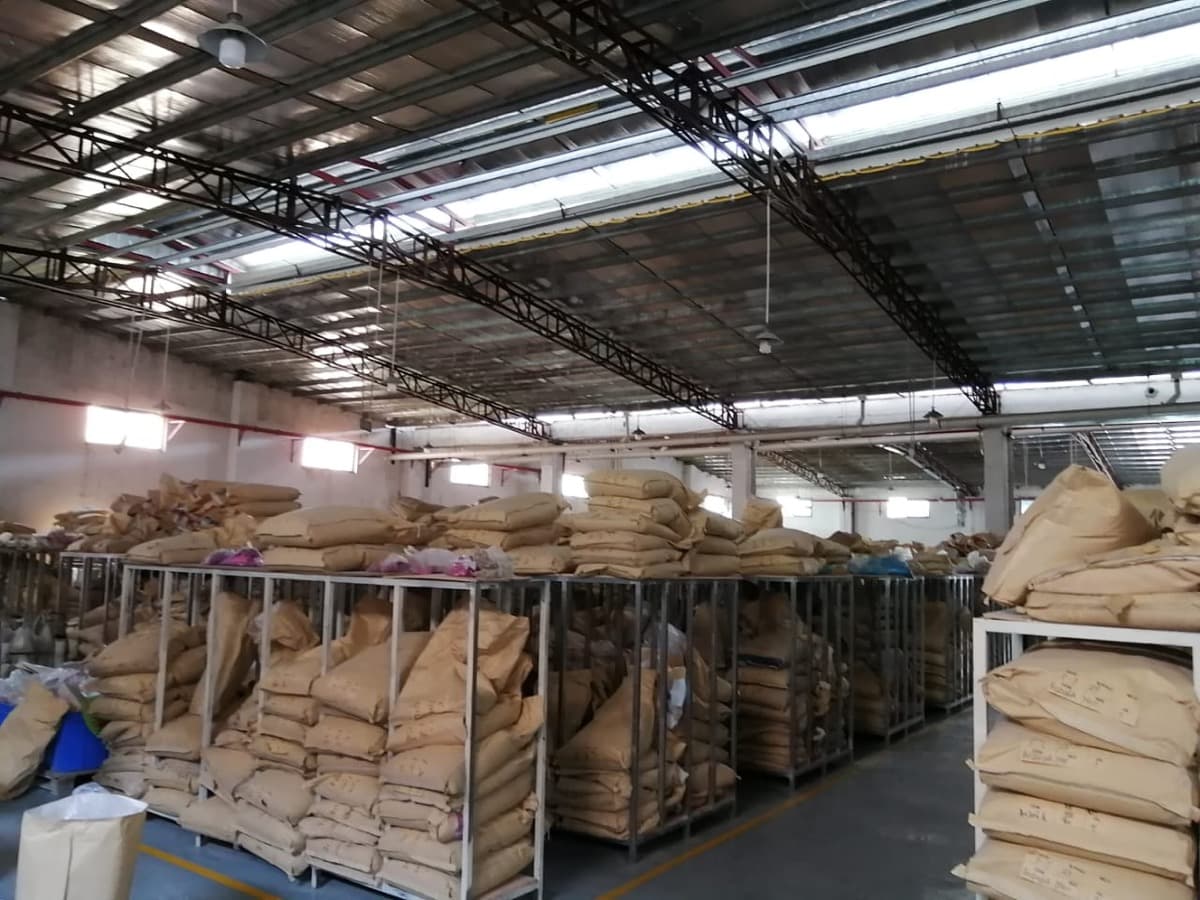
MLM Pigments' engineering team compiled this guide to equip cosmetic chemists, regulatory toxicologists, and procurement managers with the quantitative criteria needed to distinguish cosmetic-grade glitter and mica from industrial or craft-market alternatives—materials whose substrate chemistry, colorant profiles, and documentation gaps create measurable dermal, ocular, and regulatory exposure. Every parameter below is grounded in instrument-verified data, regional colorant eligibility frameworks, and GMP traceability standards rather than marketing assertions.
The cosmetic industry's regulatory frameworks—EU Regulation 1223/2009, US 21 CFR Parts 73/74/82, China GB 7916, and their equivalents—do not merely restrict colorant identity; they implicitly demand that every raw material entering a finished formulation be traceable, analytically characterized, and manufactured under conditions that prevent contamination introduction. Craft and industrial glitters are engineered for visual effect in paper, resin, and textile applications where dermal absorption, mucosal contact, and prolonged ocular exposure are not design constraints. The consequence of substituting these materials into cosmetic formulations is not merely a labeling irregularity; it is a failure mode that can manifest as sensitization reactions from free aromatic amines, mechanical corneal abrasion from thick-cut jagged film edges, heavy metal accumulation from unscreened colorant batches, and regulatory recall triggered by the absence of lot-linked documentation.
The three material classes examined here—cosmetic-grade glitter, craft/industrial glitter, and mica (natural muscovite, synthetic fluorphlogopite, and industrial filler grades)—differ across substrate chemistry, particle geometry, colorant toxicology, analytical traceability, and packaging integrity. Each dimension carries independent risk weight; a material that passes colorant screening but fails film-thickness specification still presents an unacceptable abrasion profile for periorbital or labial application zones.
| # | Parameter | Cosmetic-Grade Glitter (MLM Pigments) | Craft / Industrial Glitter |
|---|---|---|---|
| 1 | Base Film Substrate | BOPET (biaxially oriented PET, food-contact resin grades) or regenerated cellulose/rayon (biodegradable option); inert, dimensionally stable | PVC (polyvinyl chloride) or low-grade recycled PET; PVC contains plasticizers (DEHP, DBP) that leach under skin-temperature conditions |
| 2 | Film Thickness & Cut-Edge Smoothness | 25–38 µm precision rotary die-cut; edge radius ≤ 2 µm; particle size distribution D90 verified by laser diffraction | 50–75 µm slitter-cut; jagged edge burrs 5–15 µm; no particle size distribution documentation; abrasion risk to corneal epithelium and stratum corneum |
| 3 | Colorant Chemistry | INCI-listed CI pigments and lakes (e.g., CI 77891 TiO₂, CI 77491 iron oxide, CI 19140 FD&C Yellow 5 lake) verified for regional eligibility per lot | Azo dyes, solvent dyes, and disperse dyes with potential free aromatic amine content (e.g., 4-aminoazobenzene, aniline); no INCI mapping |
| 4 | Heavy Metal Limits (Agilent 7800 ICP-MS, EPA 3052 acid digestion) | Pb < 2 ppm, As < 1 ppm, Hg < 1 ppm, Cd < 1 ppm, Sb < 0.5 ppm; lot-specific ICP-MS report issued | Unscreened; literature values for craft glitter colorants report Pb 10–120 ppm, Cd 5–40 ppm, Sb up to 200 ppm in PVC-based films |
| 5 | Microbiological Control | ISO 22716:2007-aligned cleanroom workflows; incoming and finished-goods TPC target < 100 CFU/g; yeast/mold and pathogen absence testing | Non-sterile warehouse or factory floor environment; no microbial specification; open-air bulk handling |
| 6 | Solvent & Plasticizer Leaching | Cross-linked polyurethane or acrylate barrier coat; migration tested in butyl acetate, ethyl acetate, propylene glycol, and glycerin matrices; dye migration ΔE < 1.0 after 72 h soak | Uncrosslinked dye systems; documented bleed in acetate and glycol solvents; PVC plasticizer migration measurable at skin temperature (32–37°C) |
| 7 | Thermal Distortion Point | PET substrate: 160–180°C; cellulose substrate: ~100°C; both stable through standard cosmetic processing (hot-pour lip products to ~85°C) | Craft PVC: softening onset 70–90°C; deformation and plasticizer volatilization risk during hot-pour lipstick, balm, or wax-based formulation manufacturing |
| 8 | Documentation & Traceability | Lot-linked COA, 16-section GHS-compliant MSDS, full TDS, ICP-MS test report, INCI declaration; 5-year batch retention | Absent or generic SDS not linked to specific lot; no COA; no analytical data; no INCI mapping possible |
| 9 | Moisture-Barrier Packaging | 1 kg heat-sealed aluminum foil pouch (MVTR < 0.5 g/m²/day); 25 kg UN-rated poly-lined fiber drum; labeled with lot number and manufacture date | Open corrugated cartons, poly bags without moisture barrier; no lot identification; humidity-induced agglomeration and microbial proliferation risk |
| 10 | Market Eligibility & Recall Risk | Colorant eligibility documented for EU 1223/2009 Annex IV review, US 21 CFR 73/74, China GB 7916 per SKU; recall risk mitigated by full traceability chain | No regulatory colorant listing; PVC and azo dye content creates automatic non-eligibility in EU and China; recall exposure high; no traceability for corrective action |
MLM Pigments' Biodegradable Cosmetic Glitter line uses regenerated cellulose substrates at 25–30 µm thickness, providing the thermal and solvent stability profile documented in rows 6 and 7 above while meeting the substrate eligibility expectations of EU and UK post-Brexit cosmetic frameworks.
| Parameter | Natural Muscovite Mica | Synthetic Fluorphlogopite (KMg₃AlSi₃O₁₀F₂) | Industrial Filler Mica |
|---|---|---|---|
| CAS / CI Number | CAS 12001-26-2 / CI 77019 | CAS 12003-38-2 / CI 77012 | Mixed phyllosilicates; no single CI; often unlabeled |
| Iron Impurity (Fe₂O₃) | 2–8% natural variation; causes warm/golden undertone; batch-to-batch chroma shift | < 0.1% (synthetic purity); consistent cool/neutral sparkle; ΔE < 0.5 batch-to-batch | 5–15%; high iron causes dark, dull interference; unsuitable for high-chroma formulations |
| Clarity & Chroma Purity | High optical clarity achievable in select grades; natural inclusions (rutile, tourmaline) require sorting | Exceptional clarity; no natural inclusions; ideal for translucent highlighter and eyeshadow bases | Low clarity; opaque inclusions common; poor light interference performance |
| Natural Trace Heavy Metals (ICP-MS) | Pb 0.5–4 ppm (geological matrix); As 0.2–2 ppm; requires lot-specific screening | Pb < 0.1 ppm, As < 0.05 ppm (synthetic process control); consistently below cosmetic action limits | Pb 5–25 ppm, As 2–10 ppm typical; often unscreened; high recall risk in EU and US markets |
| Child-Labor & Supply Chain Traceability | Risk zone: Jharkhand/Bihar (India) artisanal mining; requires Responsible Mica Initiative (RMI) or equivalent audit trail | Fully traceable synthetic manufacturing; no artisanal mining exposure; audit-ready supply chain | No traceability; origin unknown; no audit documentation |
| Thermal Stability | > 700°C dehydroxylation onset; stable through all cosmetic processing | > 800°C (fluorine substitution increases thermal stability); suitable for nail gel cure temperatures | Variable; some filler grades contain hydrated silicates that dehydrate at < 300°C |
| Regulatory Listing Status | CI 77019 listed in EU Annex IV (entry 143), US 21 CFR 73.1496; verify exact application zone per SKU | CI 77012 listed in EU Annex IV (entry 143a); verify application zone eligibility per regional authority per SKU | Not listed as a cosmetic colorant in EU or US frameworks; use in finished cosmetics requires colorant identity verification |
| Typical Cosmetic Application | Eyeshadow, blush, bronzer, highlighter, nail lacquer | Premium highlighter, lip gloss, gel nail, BB cream; preferred where batch consistency is critical | Ceramics, construction, electrical insulation; not appropriate for cosmetic formulation |
MLM Pigments' Pearlescent Mica Powder and Natural Mica Pigment Powder lines carry lot-specific ICP-MS reports and supply chain documentation to support both the analytical and ethical due-diligence requirements that major brand owners and contract manufacturers now mandate at supplier qualification.
When a glitter sample arrives without adequate documentation, or when a supplier's claims cannot be independently verified, the following sequential protocol allows a formulation laboratory to generate actionable data before committing the material to development batches.
Test 1 — Substrate Identification by Differential Solubility (Hours 0–4) Immerse 0.5 g of glitter in 10 mL of tetrahydrofuran (THF) at 25°C for 60 minutes. PVC-based substrates dissolve or swell visibly; BOPET and cellulose remain dimensionally stable. Separately, immerse a parallel aliquot in 10 mL of acetone for 30 minutes. Uncrosslinked dye coatings release visible color into the acetone phase (ΔE > 3 measured against a blank by spectrophotometer); crosslinked cosmetic coatings show ΔE < 1.0. Record solvent color and particle morphology under 40× stereomicroscope.
Test 2 — Particle Edge Geometry by Optical Microscopy (Hours 4–8) Mount 20 mg of glitter on a glass slide in immersion oil and image at 100× under a calibrated optical microscope with a stage micrometer. Measure film thickness at ≥ 20 particles; calculate mean and standard deviation. Cosmetic-grade material should show mean thickness 25–38 µm (SD < 5 µm) and smooth cut edges. Craft material typically shows 50–75 µm mean with SD > 10 µm and visible edge burrs. Capture and archive images for the incoming QC record.
Test 3 — Heavy Metal Screening by ICP-MS (Hours 8–36) Submit 0.5 g to in-house Agilent 7800 ICP-MS following EPA 3052 microwave acid digestion (HNO₃/HF matrix). Screen for Pb, As, Hg, Cd, Sb, Cr, Ba, and Se. Compare results against cosmetic action limits: Pb < 2 ppm, As < 1 ppm, Hg < 1 ppm, Cd < 1 ppm, Sb < 0.5 ppm. Any exceedance is a disqualifying finding. Results above 10 ppm for Pb or 5 ppm for Cd are consistent with unscreened industrial colorant systems.
Test 4 — Colorant Identity Cross-Check by UV-Vis and HPLC (Hours 36–48) Extract the coating layer by sonicating 0.2 g in 5 mL of dimethyl sulfoxide (DMSO) for 20 minutes. Run UV-Vis absorption scan (200–700 nm) and compare absorption maxima against reference spectra for declared CI pigments. For suspect azo dye signals (characteristic n→π* absorption 380–450 nm with high molar absorptivity), proceed to HPLC-DAD with a C18 column (acetonitrile/ammonium acetate gradient) to identify free aromatic amine degradation products. Detection of 4-aminoazobenzene, aniline, or o-toluidine above 30 mg/kg (EU Directive 2002/61/EC threshold for textile analogy) constitutes a disqualifying finding for cosmetic use.
Q1: Can a craft glitter supplier simply relabel their product as "cosmetic grade" and pass standard incoming inspection? Relabeling alone cannot alter the physical and chemical properties that distinguish the two material classes. Film thickness, edge geometry, substrate solubility, heavy metal content, and colorant identity are instrument-measurable parameters. The 4-test protocol above will expose misrepresentation within 48 hours. Buyers should require lot-specific ICP-MS reports and INCI declarations as a minimum pre-shipment condition, not post-receipt documentation.
Q2: How does PVC plasticizer leaching affect a finished lip or eye formulation? Phthalate plasticizers (DEHP, DBP) in PVC glitter migrate into lipophilic cosmetic matrices—particularly wax-based lip products and oil-continuous foundations—at rates measurable by GC-MS within 24–72 hours at 37°C. DEHP is classified as a reproductive toxicant (Category 1B) under EU CLP Regulation and is restricted in cosmetics under EU 1223/2009 Annex II (entry 1,2). The presence of PVC substrate in a finished product therefore creates a direct regulatory non-eligibility pathway independent of colorant status.
Q3: What is the practical difference between muscovite and fluorphlogopite for a formulator choosing a highlighter base? Muscovite (CI 77019) delivers warm, naturalistic sparkle with slight golden undertone from iron content; batch-to-batch chroma variation requires tighter spectrophotometric incoming QC (target ΔE < 0.8 against reference standard). Fluorphlogopite (CI 77012) provides cooler, higher-chroma interference with exceptional lot-to-lot consistency (ΔE < 0.5 achievable), making it the preferred substrate for coated pearlescent pigments where color accuracy is critical. Formulators targeting EU market should verify the specific application zone listing for each CI number per their finished product category, as zone eligibility differs between the two entries.
Q4: How does MLM Pigments' 50 g sample program integrate into a formal supplier qualification workflow? Complimentary 50 g lab qualification samples are reviewed and dispatched within 48 hours of qualification approval. These samples carry the same lot-linked COA, ICP-MS report, TDS, and GHS MSDS as commercial shipments, enabling the receiving laboratory to execute the full 4-test incoming protocol and complete a preliminary safety assessment before committing to a 1 kg trial order. The 1 kg MOQ in heat-sealed aluminum foil pouches (MVTR < 0.5 g/m²/day) then allows small-batch formulation development without excess inventory risk. Contact the technical team at mlmcustom@mlmcosmetic.com or WhatsApp +86 157 1218 6809 to initiate qualification.
Q5: How should a toxicologist interpret the absence of an ICP-MS report from a glitter or mica supplier? Absence of a lot-specific ICP-MS report means that heavy metal content is unknown, not that it is within limits. For a toxicologist preparing a Product Safety Report (PSR) under EU 1223/2009 Article 10, or a safety assessment under US voluntary industry standards, an uncharacterized raw material cannot be assigned a quantitative margin of safety (MoS) calculation. The toxicologist must either require the analytical data from the supplier or commission independent third-party testing before the raw material can be included in a safety dossier. Review MLM Pigments' analytical documentation framework at the Trust Center & Testing Policies.
Q6: What documentation package should a brand owner request before approving a cosmetic glitter or mica supplier? At minimum: (1) lot-specific COA with particle size distribution (D10/D50/D90 by laser diffraction), moisture content, and bulk density; (2) ICP-MS test report for Pb, As, Hg, Cd, Sb, Cr, Ba, Se against declared limits; (3) 16-section GHS-compliant MSDS linked to the specific lot; (4) full TDS including substrate identity, coating chemistry, and solvent compatibility data; (5) INCI name declaration with CI number and regional eligibility reference; (6) microbiological test report (TPC, yeast/mold, absence of specified pathogens); and (7) supply chain traceability documentation for mica (mining origin, audit status). For synthetic fluorphlogopite, items 1–6 are sufficient; for natural muscovite, item 7 is mandatory for brands with ethical sourcing policies.
This guide constitutes general technical reference information compiled by MLM Pigments' formulation and regulatory affairs team. It does not replace, and must not be used as a substitute for, the following lot-specific and jurisdiction-specific documentation required for any finished cosmetic formulation: (a) Certificate of Analysis (COA) linked to the exact production lot supplied; (b) Technical Data Sheet (TDS) for the specific SKU and particle size grade; (c) Material Safety Data Sheet (MSDS/SDS) in the language and format required by the destination market; (d) ICP-MS test reports generated from the actual production lot, not reference or historical batches; (e) microbiological test reports from the supplied lot; (f) independent toxicologist review and sign-off on the finished formulation's safety assessment, including quantitative MoS calculations for all relevant exposure routes; and (g) verification of colorant eligibility by a qualified regulatory affairs professional against the exact regulatory text in force in each destination market at the time of product launch. Regulatory frameworks are amended periodically; colorant listings, concentration limits, and application zone restrictions that were accurate at the time of this document's preparation may have changed. MLM Pigments provides documentation to support buyer due diligence but does not provide regulatory legal advice
Target Formulation Material:
Cosmetic-Grade vs. Craft & Industrial Glitter and Mica: Engineering & Regulatory Comparison
Includes 50g sealed lab pouch, lot-specific COA, Technical Data Sheet (TDS), and ISO 22716 regulatory package.
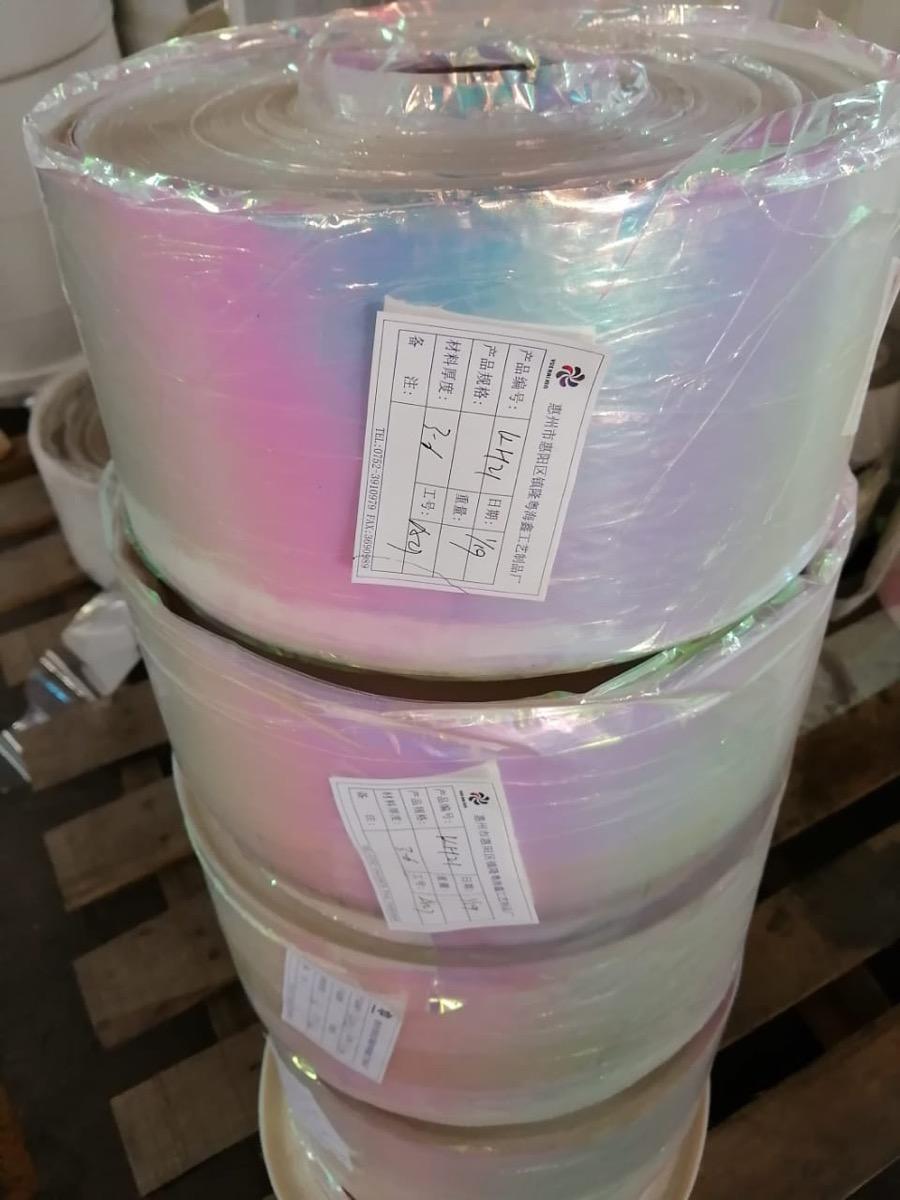
Whether formulating eyeshadow palettes, lip glosses, nail polishes, or compounding industrial epoxy resin, start with our 1kg low trial MOQ or complimentary 50g qualification sample with complete TDS and batch COA.