
Loading...
⚡ 1kg Low MOQ · Factory Direct Glitter & Mica⚡ Source Factory Direct Wholesale · Custom Loose Glitter & Mica Pigments · 1kg Low Trial MOQ · 48h Free 50g Lab Samples
mlmcustom@mlmcosmetic.com⚡ 1kg Low MOQ · Factory Direct Glitter & Mica⚡ Source Factory Direct Wholesale · Custom Loose Glitter & Mica Pigments · 1kg Low Trial MOQ · 48h Free 50g Lab Samples
mlmcustom@mlmcosmetic.comLoading...
Factory-direct biodegradable glitter OEM guide. Technical specs on bio-cellulose substrates, EU microplastic compliance, MoCRA, and high solvent resistance.
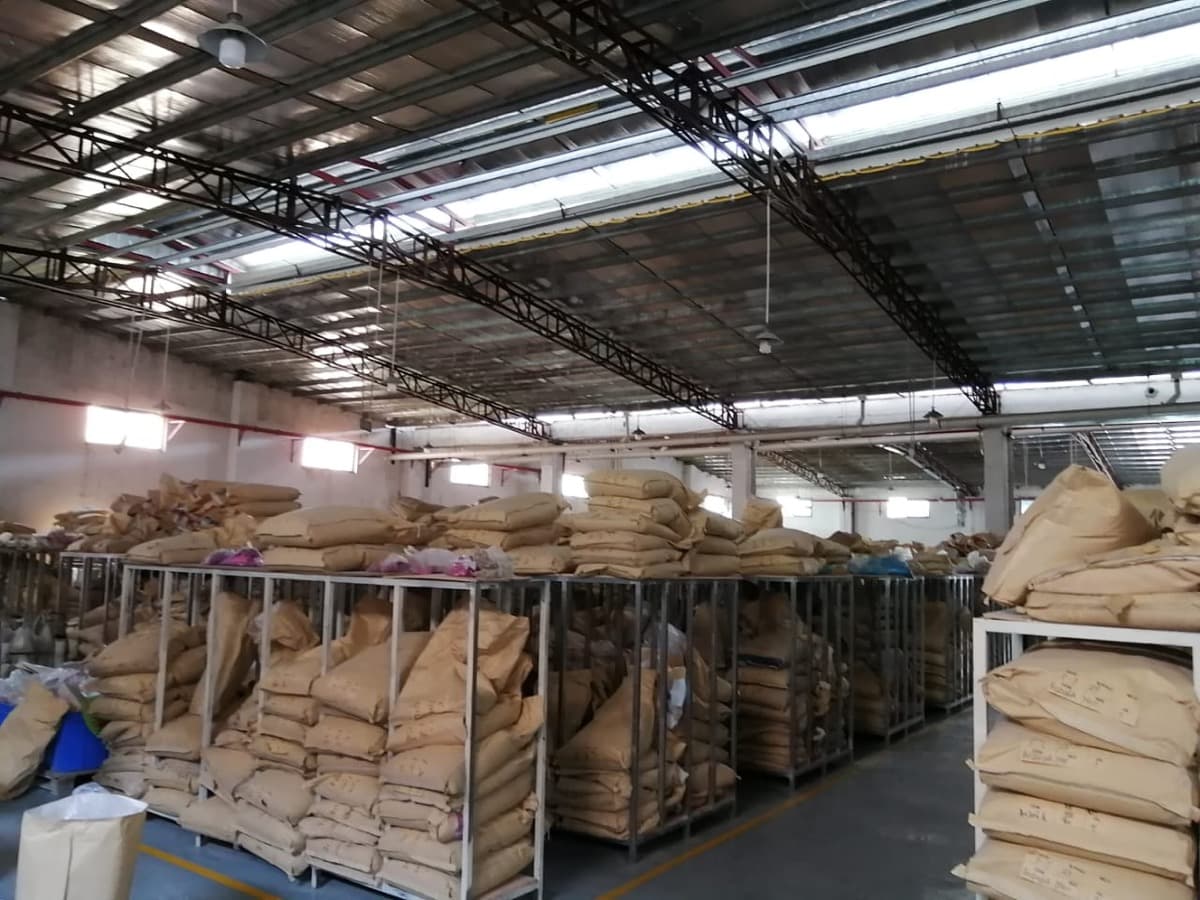
As global regulatory bodies accelerate restrictions on synthetic microplastics, cosmetic brand formulators, brand directors, and procurement managers face an urgent technical evolution. Traditional polybutylene terephthalate (PET) glitters are rapidly being phased out of European, North American, and Asian markets under stringent environmental laws. Sourcing robust eco-friendly alternatives requires navigating complex material science parameters—balancing biodegradability, structural integrity, solvent stability, and thermal limits.
At MLM Pigments, operating directly from our primary OEM raw material manufacturing hub in Shenzhen, China, we produce high-precision, plant-derived effect pigments designed to replace conventional microplastics without compromising optical performance. Incorporating Cosmetic Grade Biodegradable Glitter into modern formulations allows brands to meet strict sustainability mandates while retaining vivid chromatic reflection and tactile softness.
Conventional cosmetic glitters rely on stretch-oriented PET films coated with aluminum and synthetic dyes. In contrast, our factory-direct biodegradable glitters utilize a backbone of regenerated cellulose derived from sustainably managed hardwood forests. This non-plastic polymer matrix provides the structural rigidity necessary for precision cutting while offering rapid natural degradation in soil, freshwater, and marine environments.
For specialized pearlescent and high-heat applications, synthetic fluorphlogopite (synthetic mica) is combined with cellulose matrices to yield stable, non-gelling particulate suspensions suitable for high-viscosity gels and hot-pour formulas.
Particle size uniformity is crucial for ensuring homogenous suspension, avoiding pump clog during industrial filling, and guaranteeing sensory compliance (avoiding eye irritation or harsh tactile scratching). Our hex-cut die systems process particles across a controlled spectrum:
During hot-pour production (e.g., lip balms, body butter sticks, pressed glitter pans), pigments are subjected to thermal spikes. MLM Pigments bio-glitter maintains optical clarity and structural planarity without curling, shrinking, or color leaching at continuous operational temperatures of 160°C, with short-term exposure resistance reaching 200°C.
One of the most persistent issues in eco-glitter formulation is dye bleeding in polar solvents. Our proprietary cross-linked surface coating shields the natural pigments, preventing migration in demanding environments:
Navigating global regulatory landscapes requires verifiable lab testing rather than marketing claims. OEM buyers must verify that raw materials withstand strict market audits.
On October 17, 2023, Commission Regulation (EU) 2023/2055 took effect under REACH Annex XVII, restricting synthetic polymer microparticles (SPMs) microplastics smaller than 5 mm. Non-biodegradable PET glitters placed directly into cosmetics face immediate or phased bans. MLM Pigments’s regenerated cellulose glitters meet OECD 301/ISO 14851 standards for freshwater biodegradation (>90% breakdown within 28 days), exempting them from microplastic bans and ensuring seamless access to European retail channels.
Under MoCRA, raw material transparency and safety substantiation are legally mandated. Our factory-direct supplies come with complete Batch Certificates of Analysis (COA), Safety Data Sheets (SDS) adhering to GHS standards, and toxicological risk assessments (TRA). Color additives used in our biodegradable glitter coatings conform strictly to FDA 21 CFR Part 73 and Part 74 requirements.
Every bulk batch undergoes Inductively Coupled Plasma Mass Spectrometry (ICP-MS) screening to satisfy global heavy metal mandates:
Formulators transitioning from traditional PET to eco-friendly glitters often encounter formulation failures due to material differences. Below is an analysis of common failure points and technical solutions:
+-----------------------+---------------------------------------+----------------------------------------+
| Formulation Challenge | Traditional PET / Inferior Bio-Glitter| MLM Pigments Factory Solution          |
+-----------------------+---------------------------------------+----------------------------------------+
| Suspension Settling   | High density causes fast settling     | Engineered lower-density bio-matrix    |
|                       | in low-viscosity bases.               | stays suspended using Carbomer/Xanthan.|
+-----------------------+---------------------------------------+----------------------------------------+
| Solvent Bleeding      | Color leaches into ethyl acetate or   | Advanced mineral/natural dye coating   |
|                       | glycol bases within 48 hours.         | provides 100% bleeding resistance.     |
+-----------------------+---------------------------------------+----------------------------------------+
| Microplastic Ban      | Direct risk of recall under REACH     | Fully certified bio-cellulose matrix   |
| Compliance            | Annex XVII restrictions.              | compliant with EU 2023/2055.           |
+-----------------------+---------------------------------------+----------------------------------------+
| Thermal Degradation   | Warps, curls, or melts at >110°C      | Heat stable up to 160°C continuous,    |
|                       | during hot-pour processing.           | 200°C peak for hot-pour formulas.      |
+-----------------------+---------------------------------------+----------------------------------------+
Glitter particles in liquid formulations are governed by Stokes' Law, where settling velocity ($v$) is proportional to particle radius ($r^2$) and density difference between particle ($ ho_p$) and fluid ($ ho_f$), divided by fluid viscosity ($ rac{2g r^2 ( ho_p - ho_f)}{9 ext{ viscosity}}$). Because bio-cellulose has a specific gravity close to water-glycerin mixtures ($ ho hickapprox 1.4 ext{ g/cm}^3$), settling forces are minimized compared to heavy glass or synthetic substrates. Paired with a yield-stress rheology modifier (e.g., Acrylates Copolymer or Dehydroxanthan Gum), spatial suspension remains stable for long shelf-lives.
Many low-cost bio-glitters utilize water-soluble dye layers protected by thin polylactic acid (PLA) coatings. When exposed to anhydrous gels or nail lacquer systems containing ethyl/butyl acetate, the coating breaks down, releasing dye into the vehicle. MLM Pigments uses multi-layer mineral coating technology that locks pigments inside the matrix, ensuring zero color leaching in both aqueous and organic solvent media.
| Specification Parameter | Bio-Cellulose Eco Glitter | Standard PET Glitter | Synthetic Mica Glitter | Testing Protocol / Standard |
|---|---|---|---|---|
| Primary Substrate | Bio-based Regenerated Cellulose | Polybutylene Terephthalate | Synthetic Fluorphlogopite | FTIR Spectroscopy |
| EU Microplastic Status | Fully Compliant (Exempt) | Non-Compliant (Restricted) | Compliant (Mineral Exception) | REACH Annex XVII (EU 2023/2055) |
| Particle Sizes Available | 0.05 mm – 3.0 mm | 0.05 mm – 3.0 mm | 0.01 mm – 0.5 mm | Sieve / Laser Diffraction |
| Max Heat Tolerance | 160°C Continuous / 200°C Peak | 110°C Continuous / 135°C Peak | > 800°C | Thermal Gravimetric Analysis (TGA) |
| Nail Solvent Stability | Complete (tested high bleed resistance) | Complete (tested high bleed resistance) | Complete (tested high bleed resistance) | 14-Day Ethyl Acetate Immersion |
| Heavy Metal Limits | Pb<2ppm, As<1ppm, Hg<1ppm | Pb<10ppm, As<3ppm, Hg<1ppm | Pb<2ppm, As<1ppm, Hg<1ppm | ICP-MS Analysis |
| Biodegradability Rate | >90% within 28 days | Non-Biodegradable | Inert Mineral Material | ISO 14851 / OECD 301B |
| Standard MOQ | 1 kg (Pilot) / 25 kg (Bulk) | 5 kg | 1 kg (Pilot) / 25 kg (Bulk) | Commercial Terms |
| Factory Lead Time | 5 – 10 Business Days | 3 – 5 Business Days | 5 – 7 Business Days | Direct OEM Dispatch |
MLM Pigments’s biodegradable glitter utilizes a cross-linked protective barrier over its plant-derived cellulose core. This coating prevents swelling, softening, or color bleeding when immersed in harsh organic solvents such as ethyl acetate, butyl acetate, nitrocellulose, and isopropyl alcohol. It maintains chromatic brilliance and structural integrity over standard shelf-life tests.
In most gel or emulsion systems, bio-cellulose glitter behaves similarly to PET. However, because bio-cellulose has a slightly lower density ($ hickapprox 1.4 ext{ g/cm}^3$) compared to metallic or heavy synthetic flakes, it is often easier to suspend. We recommend maintaining a slight yield stress using rheology modifiers like Acrylates Copolymer or Xanthan Gum to ensure long-term suspension stability.
Every wholesale order shipped from our Shenzhen facility includes a comprehensive compliance dossier: Batch-Specific Certificate of Analysis (COA), GHS-compliant Safety Data Sheet (SDS), Heavy Metal ICP-MS Test Reports, Microplastic Exemption Declarations (EU 2023/2055), and FDA 21 CFR color additive compliance statements.
For standard catalog colors and hex cuts (0.05 mm to 3.0 mm), our factory direct MOQ is 1 kg for pilot testing and 25 kg for full industrial runs. Custom color matching and specialized cut sizes require an initial sample approval process (3–5 business days), with bulk production completed within 7–10 business days.
Transitioning your product line to sustainable effect pigments requires reliable factory direct technical support. As a direct OEM manufacturer, MLM Pigments provides custom shade matching, particle size tailoring, and regulatory dossiers to streamline your R&D pipeline.
Explore our broader range of compliant raw materials including Solvent Resistant Standard Glitter and pearlescent effect pigments to optimize your cosmetic formulations.
Disclaimer: Technical data and regulatory references provided herein (including EU Regulation 2023/2055, EU Regulation 1223/2009, and US FDA MoCRA) are based on current legislative texts and laboratory test parameters for raw materials manufactured by MLM Pigments. This documentation is intended solely to support independent brand formulators and Responsible Persons in compiling their Cosmetic Product Safety Reports (CPSR) and product filings. Final formulation compliance, toxicological risk assessment, and finished product registration remain the responsibility of the brand owner.
Looking for custom formulation or laboratory testing samples? Contact our MLM Pigments technical engineering team or request a free sample kit directly.
Target Formulation Material:
Bulk Wholesale Biodegradable Glitter Factory Direct Supply Guide
Includes 50g sealed lab pouch, lot-specific COA, Technical Data Sheet (TDS), and ISO 22716 regulatory package.
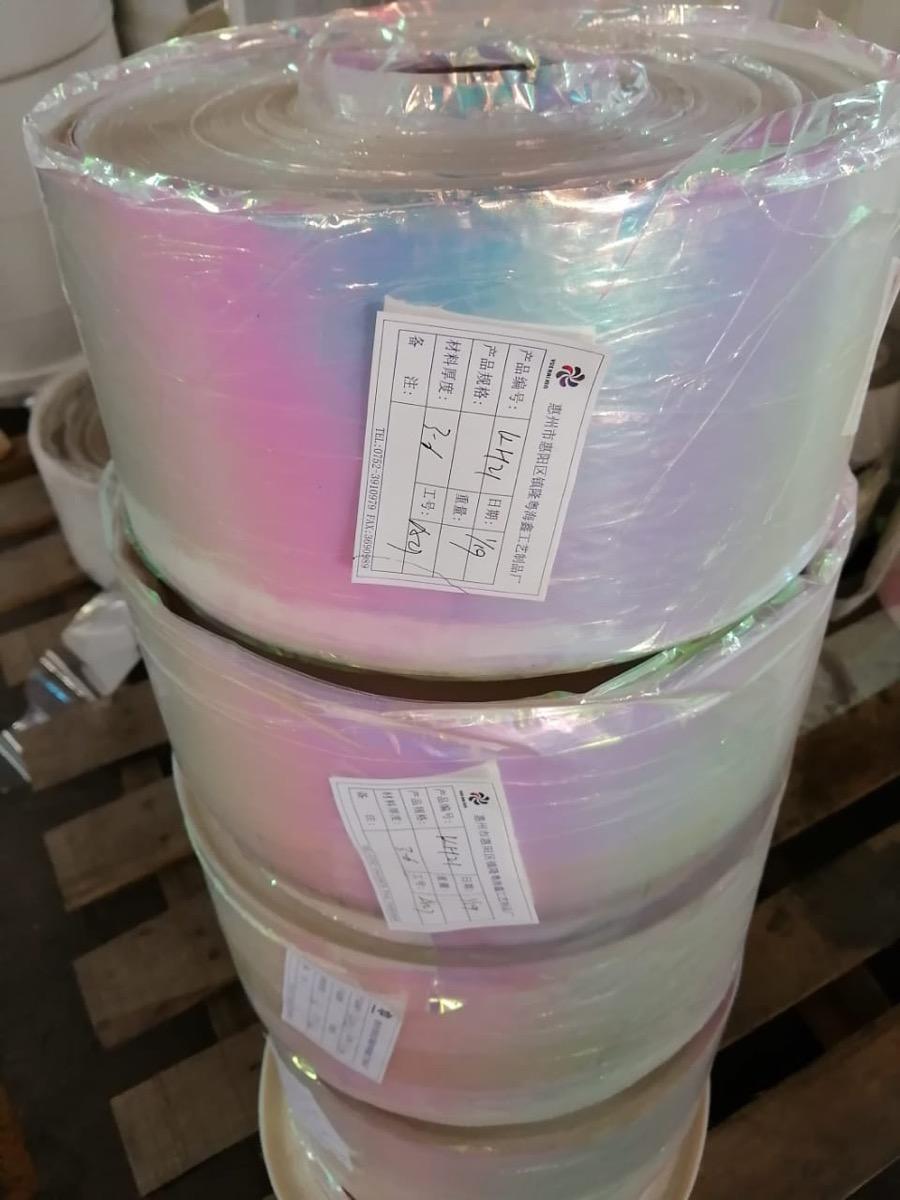
Whether formulating eyeshadow palettes, lip glosses, nail polishes, or compounding industrial epoxy resin, start with our 1kg low trial MOQ or complimentary 50g qualification sample with complete TDS and batch COA.