
Loading...
⚡ 1kg Low MOQ · Factory Direct Glitter & Mica⚡ Source Factory Direct Wholesale · Custom Loose Glitter & Mica Pigments · 1kg Low Trial MOQ · 48h Free 50g Lab Samples
mlmcustom@mlmcosmetic.com⚡ 1kg Low MOQ · Factory Direct Glitter & Mica⚡ Source Factory Direct Wholesale · Custom Loose Glitter & Mica Pigments · 1kg Low Trial MOQ · 48h Free 50g Lab Samples
mlmcustom@mlmcosmetic.comLoading...
Complete B2B spec guide for biodegradable cellulose glitter bulk: particle sizes, EU microplastic compliance, FDA MoCRA, heavy metals, MOQ & lead times.
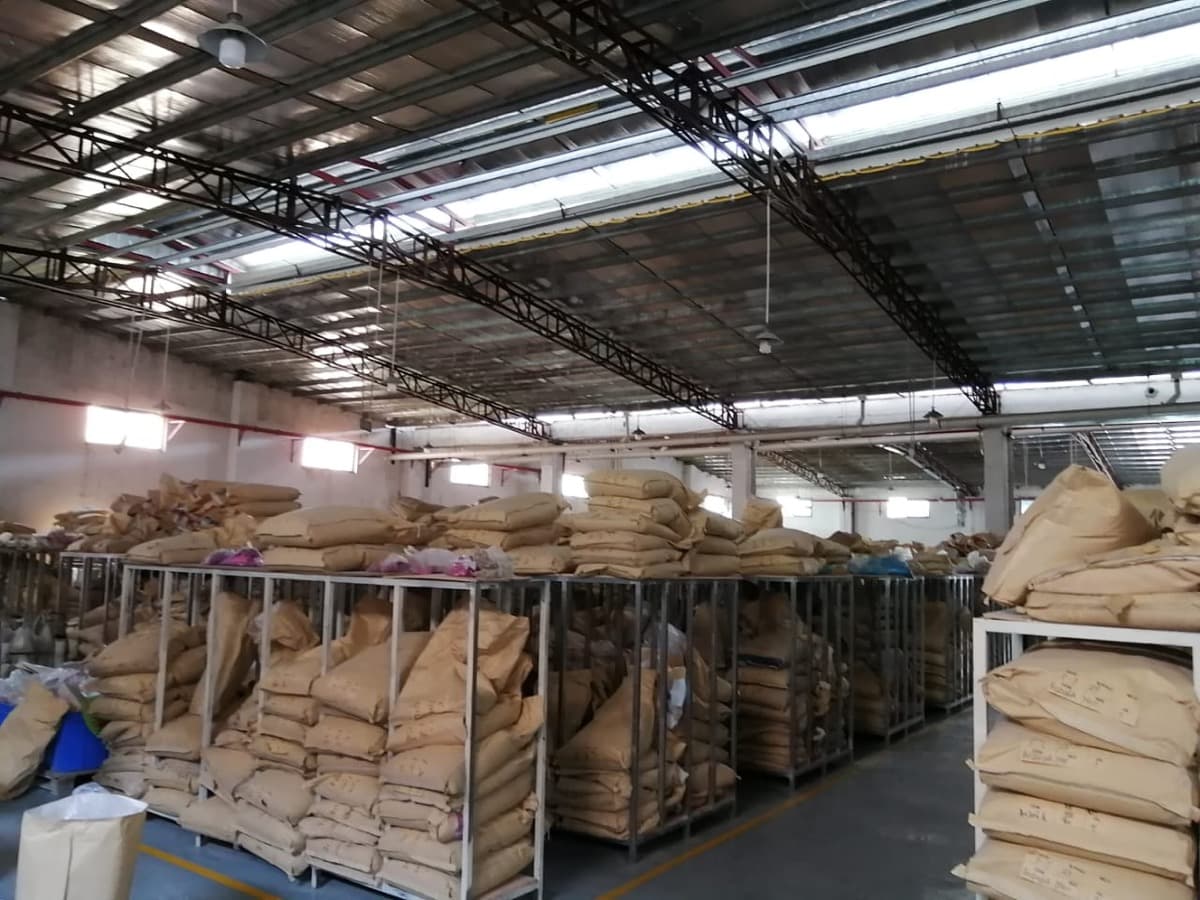
Authored by the Technical Directorate, MLM Pigments — Shenzhen OEM Raw Materials Factory
The global pivot away from synthetic microplastics in rinse-off and leave-on cosmetics is no longer a voluntary ESG gesture — it is a binding legislative trajectory. For procurement managers and lead formulators sourcing at scale, the decision to specify Cosmetic Grade Biodegradable Glitter in your next product development cycle is simultaneously a compliance imperative, a formulation engineering challenge, and a commercial differentiator. This guide provides the mathematically precise, regulation-anchored technical framework your team needs to evaluate, specify, and procure biodegradable cellulose glitter in bulk quantities — without the marketing noise.
At MLM Pigments, we manufacture and supply regenerated cellulose-based cosmetic glitter across particle geometries from 0.05 mm (1/128") to 3.0 mm (1/8"), with full documentation packages covering EU, US, and ASEAN regulatory pathways. What follows is the technical substance your QA, R&D, and procurement teams require to make a defensible sourcing decision.
Derived from wood pulp (FSC-certified sources available) via viscose or lyocell processing routes, regenerated cellulose glitter achieves a natural origin index of 1.0 per ISO 16128 when uncoated. The base film is cast to precise thickness tolerances (typically 12 µm – 50 µm), then cut to specification. The cellulose polymer backbone (β-1,4-glucosidic linkages) is susceptible to enzymatic and hydrolytic degradation in both soil and marine environments, satisfying the mechanistic requirement increasingly demanded by EU Scientific Committee on Consumer Safety (SCCS) opinions.
Critical formulation note: Uncoated cellulose glitter exhibits hygroscopic behaviour (equilibrium moisture content 8–12% at 65% RH). For anhydrous systems (balms, pressed powders, nail lacquers), specify hydrophobically surface-treated grades to prevent agglomeration and moisture-induced colour shift.
Polyethylene terephthalate glitter delivers superior solvent resistance and optical clarity but is explicitly captured under the EU REACH Annex XVII microplastic restriction (Commission Regulation EU 2023/2055), which phases out intentionally added synthetic polymer particles < 5 mm in cosmetic leave-on products. PET glitter specified into new EU-market formulations after October 2027 carries direct non-compliance risk. Procurement managers should begin transition planning immediately if PET is still in their INCI lists.
Synthetic mica is not classified as a microplastic under current EU definitions (it is an inorganic mineral), making it a regulatory-neutral alternative for sparkle effects. However, it does not satisfy biodegradability claims and carries a distinct INCI declaration. It remains a valid technical choice where optical performance requirements exceed what cellulose substrates can deliver.
This is the most technically nuanced aspect of cellulose glitter specification and the area where formulators encounter the most costly surprises at pilot scale.
Standard regenerated cellulose glitter will swell and lose dimensional integrity in high-ester solvent systems (ethyl acetate content > 40% w/w) within 72–96 hours at ambient temperature. The mechanism is solvent-induced plasticisation of the cellulose matrix, causing particle deformation and dye bleeding if solvent-soluble colorants are used.
Engineering solution: Specify polyurethane-overcoated or acrylic-sealed cellulose glitter grades (MLM product codes: CG-NA series). These grades maintain particle geometry and colour integrity in ethyl acetate/butyl acetate blends for a minimum of 26 weeks at 40°C accelerated stability (data available on request). Acceptable ester solvent content: up to 75% w/w combined.
Uncoated and standard-coated cellulose glitter performs well in aqueous and glycolic systems at the following parameters:
Cellulose glitter has a density of approximately 1.27–1.35 g/cm³ (vs. PET at 1.38 g/cm³). In low-viscosity aqueous systems, Stokes' Law predicts measurable settling within 24–48 hours for particles > 0.5 mm. Formulators should target a carrier viscosity of 15,000–25,000 mPa·s (Brookfield, spindle 6, 10 rpm) using hydroxyethylcellulose, carbomer, or xanthan gum networks to achieve acceptable suspension stability over a 24-month shelf life. We recommend requesting our suspension stability formulation brief, which includes worked Stokes' Law calculations for each particle size tier.
The EU's intentionally added microplastic restriction (REACH Annex XVII, Entry 78) defines a synthetic polymer microparticle as a solid polymer-containing particle ≤ 5 mm in any dimension that is not biodegradable. Regenerated cellulose is explicitly excluded from this definition in Recital 8 of Commission Regulation EU 2023/2055, provided biodegradation is substantiated.
Required documentation for EU compliance:
MLM Pigments supplies a pre-formatted EU Compliance Dossier Package with each commercial order, reducing your regulatory submission preparation time.
MoCRA does not establish a microplastic-specific ban but requires:
For biodegradable cellulose glitter, safety substantiation should reference: SCCS/1624/21 (cellulose safety opinion), existing GRAS status of cellulose (21 CFR 182.90), and your own ICP-MS heavy metal data. MLM provides a MoCRA-ready ingredient safety summary document for cellulose glitter lots upon request.
All MLM Pigments biodegradable glitter lots are tested by accredited third-party laboratory (ISO/IEC 17025 certified) using ICP-MS per EPA Method 200.8 / EN 15763. Mandatory release limits:
| Metal | MLM Internal Limit | Industry Reference |
|---|---|---|
| Lead (Pb) | < 2 ppm | EU Cosmetics Reg. Annex II |
| Arsenic (As) | < 1 ppm | FDA CPG 7117.02 |
| Mercury (Hg) | < 1 ppm | EU Cosmetics Reg. Annex II |
| Cadmium (Cd) | < 1 ppm | EU colour additive limits |
| Chromium VI | < 0.1 ppm | REACH SVHC threshold |
Test reports are issued per batch and included in the shipment documentation package.
| Parameter | CG-ECO Standard (Cellulose) | CG-NA Nail-Grade (Coated Cellulose) | CG-MICA Synthetic Mica |
|---|---|---|---|
| Substrate | Regenerated cellulose | Cellulose + PU overcoat | Fluorphlogopite |
| Particle Size Range | 0.05–3.0 mm (1/128"–1/8") | 0.05–1.0 mm (1/128"–1/24") | 0.05–1.5 mm |
| Biodegradable | Yes (EN 13432 certified) | Partial (cellulose core biodegrades; coating assessed separately) | No |
| Heat Resistance | Up to 160°C | Up to 180°C | Up to 800°C |
| Ethyl Acetate Resistance | Low (uncoated) | High (≥26 weeks @40°C) | High |
| Water/Glycol Resistance | High (pH 4.5–8.0) | High (pH 4.5–8.0) | High |
| EU Microplastic Compliant | Yes | Requires biodegradation substantiation for coating | Yes (inorganic exemption) |
| ISO 16128 Natural Index | 1.0 (uncoated) | 0.75–0.90 | 0.0 |
| MOQ | 1 kg / 25 kg | 1 kg / 25 kg | 1 kg / 25 kg |
| Sample Lead Time | 5–7 business days | 5–7 business days | 3–5 business days |
| Commercial Lead Time | 15–21 business days | 15–21 business days | 10–14 business days |
| Price Tier (25 kg) | Contact for quote | Contact for quote | Contact for quote |
| Regulatory Dossier Included | Yes | Yes | Yes |
The majority of biodegradable glitter suppliers do not provide application-specific suspension stability data. Formulators discover settling failures at stability testing stage — after pilot batches have already been produced. The correct approach is to specify glitter particle size in relation to your target carrier viscosity before formulation begins. MLM Pigments provides a free Stokes' Law settling calculator and recommended rheology modifier pairing for each particle size tier. Competitors selling on price alone do not offer this service.
A significant blind spot in the market is the assumption that "biodegradable" automatically means "formulation-ready across all systems." Uncoated cellulose glitter in nail lacquer will bleed dye into the ester solvent phase within weeks, causing colour contamination of the bulk lacquer. Only suppliers with validated solvent-resistant coating technology and accelerated stability data can credibly serve the nail category. Verify this by requesting 26-week accelerated stability data (40°C/75% RH) from any prospective supplier before committing to a commercial order.
Brands launching simultaneously in EU and non-EU markets sometimes maintain PET glitter in their global INCI list to avoid reformulation cost. This creates a compliance liability that surfaces during EU market access audits. The lower-risk strategy is to specify biodegradable cellulose glitter globally and document the biodegradation substantiation once — applicable across all jurisdictions. The incremental cost of cellulose vs. PET at commercial volumes (25 kg+) has narrowed significantly since 2022 due to manufacturing scale-up in the cellulose film sector.
Many lower-tier suppliers provide a single annual heavy metal test report applied across all product lots. Regulatory-grade procurement requires per-lot ICP-MS reports because colorant dye batches and substrate sources can vary between production runs, introducing metal contamination variability. Insist on lot-specific documentation as a non-negotiable procurement condition.
Q1: Is biodegradable cellulose glitter compliant with the EU REACH Annex XVII microplastic restriction effective from October 2023?
Yes, provided the cellulose substrate is substantiated as biodegradable per the criteria in Commission Regulation EU 2023/2055. Regenerated cellulose (INCI: Cellulose) is explicitly excluded from the synthetic polymer microparticle definition when accompanied by a valid biodegradation certificate (EN 13432, ASTM D6400, or equivalent OECD test method). Metallic coatings or polymer overcoats on the cellulose base may require separate assessment. MLM Pigments provides a complete compliance dossier with each commercial order.
Q2: What particle size should I specify for a face and body glitter gel targeting the EU market?
For face and body application, the most commercially successful range is 0.2 mm – 1.0 mm (approximately 1/64" – 1/32"). Particles below 0.1 mm deliver a fine shimmer effect similar to mica; particles above 1.5 mm deliver high-impact festival-grade sparkle. Note that for eye area applications, EU Regulation 1223/2009 Annex III restricts certain colorants — verify your specific shade's colorant INCI against the permitted list before finalising specification.
Q3: Can biodegradable cellulose glitter be used in nail lacquer formulations with high ester solvent content?
Standard uncoated cellulose glitter is not suitable for nail lacquer systems with ethyl acetate content above 30–40% w/w due to solvent-induced swelling and dye bleeding. Specify polyurethane-overcoated cellulose glitter grades (MLM CG-NA series) for nail applications. These grades are validated for stability in ethyl acetate/butyl acetate blends for a minimum of 26 weeks at 40°C accelerated conditions. Request the technical data sheet and stability report before proceeding to pilot scale.
Q4: What is the minimum order quantity for custom colour and cut cellulose glitter, and what are typical lead times?
MLM Pigments offers a 1 kg MOQ for development and sampling purposes, with standard stock shades available on a 5–7 business day lead time. Custom colour matching (Pantone or physical sample reference) and custom cut geometries are available from 25 kg MOQ with a 15–21 business day production lead time from approved colour standard. Rush production options are available; contact our technical sales team for scheduling.
Q5: How do I verify that a supplier's biodegradable glitter meets FDA MoCRA ingredient safety requirements?
For MoCRA compliance, the responsible person must have safety substantiation on file for each ingredient. For cellulose glitter, this substantiation package should include: (1) INCI declaration and CAS number confirmation, (2) ICP-MS heavy metal report (per lot), (3) microbiological test report, (4) reference to existing safety data (SCCS opinions, GRAS status per 21 CFR 182.90), and (5) any skin sensitisation or ocular irritation data relevant to the intended use site. MLM Pigments provides a pre-formatted MoCRA ingredient safety summary document upon request.
Step 1 — Technical Consultation: Submit your formulation system parameters (carrier type, pH, processing temperature, target application site) to our technical team. We will recommend the appropriate cellulose glitter grade and particle size range.
Step 2 — Sample Evaluation: Request a development sample kit (1 kg, multiple grades/shades) with full CoA, SDS, biodegradation certificate, and ICP-MS report. Typical dispatch: 5–7 business days.
Step 3 — Pilot Formulation & Stability: Conduct accelerated stability testing per your internal protocol. Our technical team can provide formulation guidance notes and rheology recommendations at no charge during this phase.
Step 4 — Commercial Order: Issue purchase order against agreed specification. 25 kg+ orders include full regulatory dossier package. Custom colour and geometry orders confirmed against approved physical standard.
Step 5 — Ongoing Supply: Establish a blanket order or consignment stock arrangement for continuous production supply. Per-lot CoA and ICP-MS reports issued with every shipment.
The transition to biodegradable cellulose glitter bulk supply is not simply a materials substitution — it is a formulation engineering project with regulatory, performance, and commercial dimensions that must be managed in parallel. The specifications outlined in this guide — particle size tolerances, solvent resistance requirements, heat stability thresholds, and jurisdiction-specific documentation standards — provide the technical framework for a defensible sourcing decision.
For procurement managers building a resilient, future-proof raw material supply chain, we recommend exploring the full range of Solvent Resistant Standard Glitter alongside our biodegradable cellulose portfolio to understand the complete performance-compliance trade-off space before finalising your specification.
MLM Pigments's technical team is available to support your formulation and regulatory documentation requirements at every stage of product development.
MLM Pigments — OEM Cosmetics Raw Material Factory Shenzhen, China
Request your biodegradable cellulose glitter development sample kit, ICP-MS test reports, and EU compliance dossier template via WhatsApp or email. Our technical team responds within one business day (GMT+8).
This document is prepared for B2B professional use. All specifications are indicative and subject to lot-specific CoA confirmation. Regulatory guidance reflects publicly available legislative texts as of the publication date and does not constitute legal advice. Formulators are responsible for verifying compliance in their target markets.
Disclaimer: Technical data and regulatory references provided herein (including EU Regulation 2023/2055, EU Regulation 1223/2009, and US FDA MoCRA) are based on current legislative texts and laboratory test parameters for raw materials manufactured by MLM Pigments. This documentation is intended solely to support independent brand formulators and Responsible Persons in compiling their Cosmetic Product Safety Reports (CPSR) and product filings. Final formulation compliance, toxicological risk assessment, and finished product registration remain the responsibility of the brand owner.
Looking for custom formulation or laboratory testing samples? Contact our MLM Pigments technical engineering team or request a free sample kit directly.
Target Formulation Material:
Biodegradable Cellulose Glitter Bulk: B2B Technical Guide
Includes 50g sealed lab pouch, lot-specific COA, Technical Data Sheet (TDS), and ISO 22716 regulatory package.
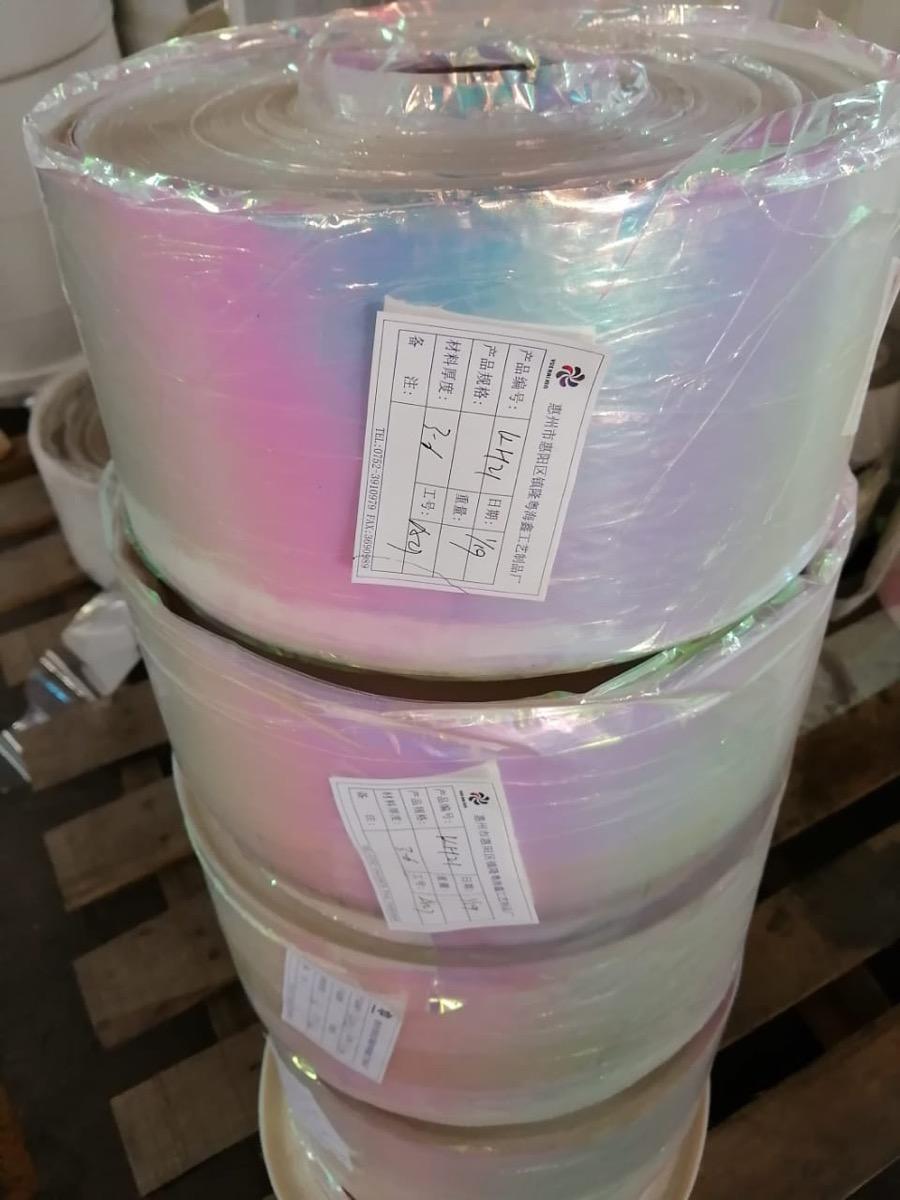
Whether formulating eyeshadow palettes, lip glosses, nail polishes, or compounding industrial epoxy resin, start with our 1kg low trial MOQ or complimentary 50g qualification sample with complete TDS and batch COA.